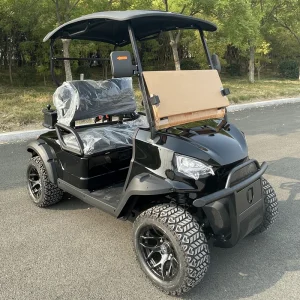
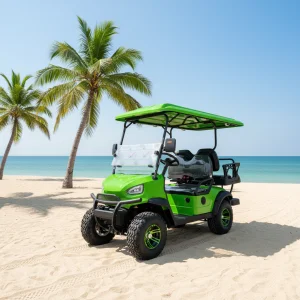
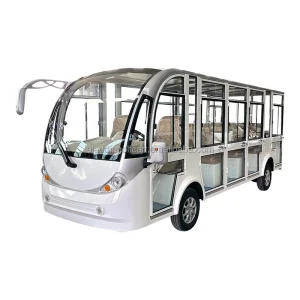
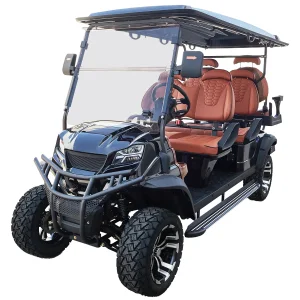
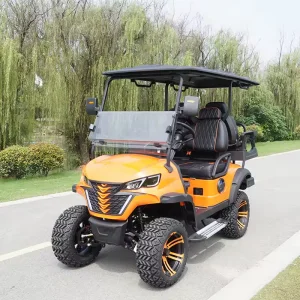
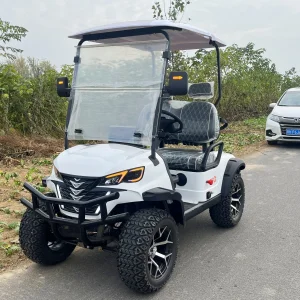
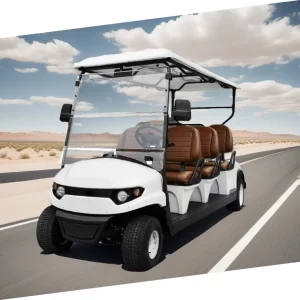
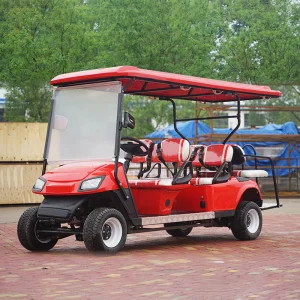
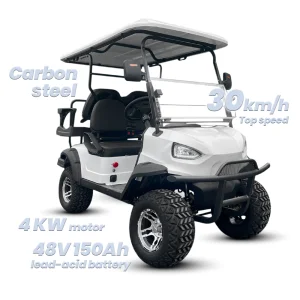
Top 10 Outdoor Recreation Carts Manufacturer & Factory

A Global Whitepaper on Commercial Electric Utility Vehicles, Supply Chain Logistics, and E-E-A-T Compliant Manufacturing Standards

1. E-E-A-T Industrial Whitepaper: Global Standards in Electric Mobility

In the rapidly changing landscape of micro-mobility and transport logistics, selecting a qualified outdoor recreation carts manufacturer is no longer simply about unit price. For procurement managers, operations directors, and institutional developers, it is a strategic decision involving complex supply chain risk management, strict regulatory compliance, and technology performance longevity. Global enterprise demands have shifted toward heavy-duty, zero-emission transportation that can seamlessly operate across golf courses, municipal parks, high-end resorts, and industrial facilities.

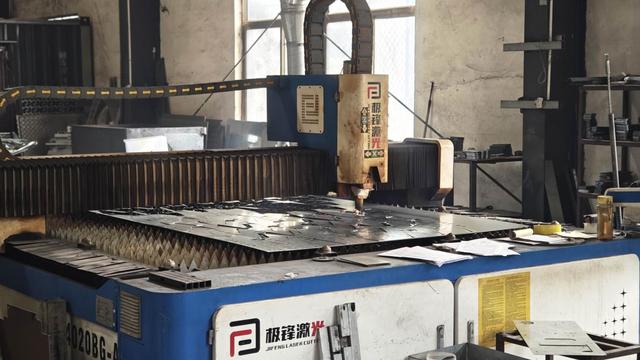
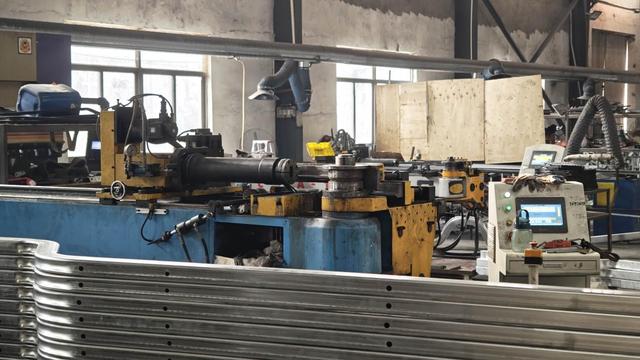
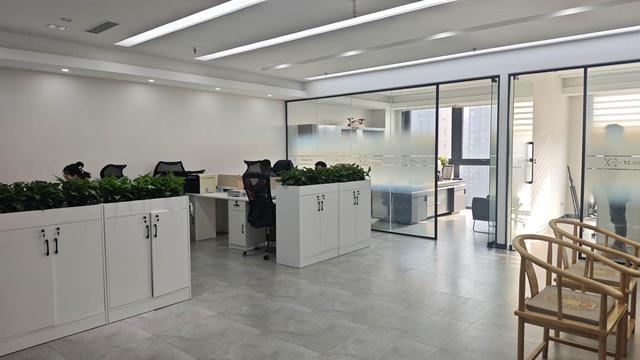
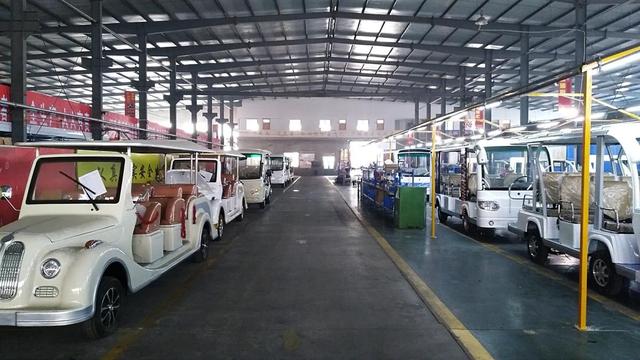
As a leading player in this space, Shenzhen Kabar Golf Co., Ltd. (established in 2014) operates at the center of the electric mobility revolution. Utilizing a modern, state-of-the-art production facility spanning more than 18,000 square meters and supported by a workforce of over 220 dedicated engineers and technicians, the company delivers high-quality fleet solutions that satisfy strict European (EEC/CE) and North American (DOT/EPA) requirements.

18,000+
Sqm Factory Area
220+
Expert Employees
10+
Years R&D Expertise
50+
Countries Exported

Our comprehensive product portfolio ranges from specialized luxury hospitality service trucks to robust, multi-passenger electric golf carts and heavy-duty cargo utility vehicles. This whitepaper analyzes the key structural, financial, and mechanical factors that define top-tier outdoor recreation vehicle manufacturing, providing critical information for international supply chain decision-makers.

2. The Chinese Factory Supply Chain Advantage

China, particularly the Pearl River Delta industrial cluster in Shenzhen, serves as the global hub for electric vehicle (EV) supply chain development. Shenzhen Kabar Golf Co., Ltd. utilizes this geographic positioning to offer significant advantages to international B2B buyers:

Concentrated Battery Ecosystem

Direct access to leading lithium-iron-phosphate (LiFePO4) cell manufacturers guarantees high energy density, safety, and rapid development of custom battery management systems (BMS).

Advanced Material Engineering

Our factory uses high-grade, corrosion-resistant structural aluminum and hot-dip galvanized steel chassis designed to withstand harsh coastal resort climates and heavy agricultural use.

Scalable OEM/ODM Production

With more than 220 skilled workers and an advanced assembly setup, we quickly manage large fleet production demands while maintaining custom configuration flexibility.

This supply chain integration results in highly competitive lead times, custom coloring and branding options, and cost efficiencies that cannot be matched by localized Western assembly plants. Furthermore, by keeping core R&D, chassis welding, and final testing in-house, Kabar Golf maintains complete control over the entire production cycle.

3. Localization, Street Legality, and Compliance

Importing electric vehicles requires adherence to specific regional standards. A major challenge in B2B procurement is ensuring that the imported outdoor recreation carts comply with local transport regulations.

North American Market (DOT & EPA Compliance)

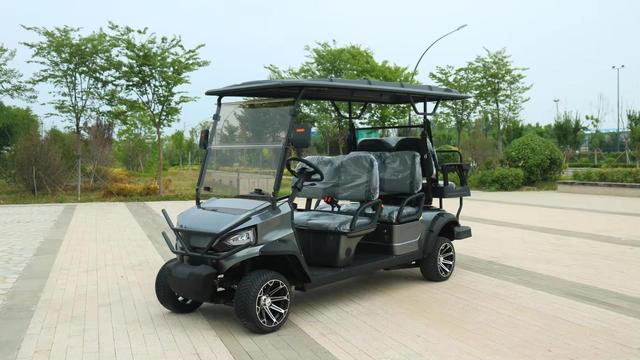
To meet the requirements of Low-Speed Vehicle (LSV) classifications in the United States, carts must feature seat belts (DOT certified), safety-glass windshields, headlights, tail lights, turn signals, mirrors, and a 17-digit Vehicle Identification Number (VIN). Kabar Golf configures street-legal models to meet DOT standards, ensuring seamless state registration.

European Market (CE & EEC Certification)

EU regulations demand strict adherence to CE safety directives and EEC type-approval for road-going light electric vehicles (category L7e). This includes rigorous safety assessments of braking performance, electromagnetic compatibility, battery protection systems, and environmental durability.

By providing pre-certified models and comprehensive technical documentation, Kabar Golf assists distributors and commercial clients in navigating customs clearance, local road permits, and liability insurance regulations.

Advanced Manufacturing & Assembly Infrastructure

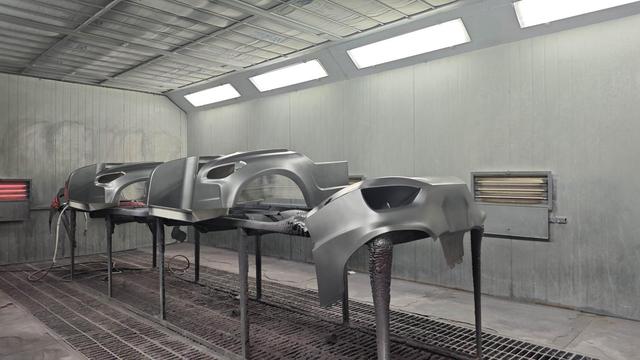
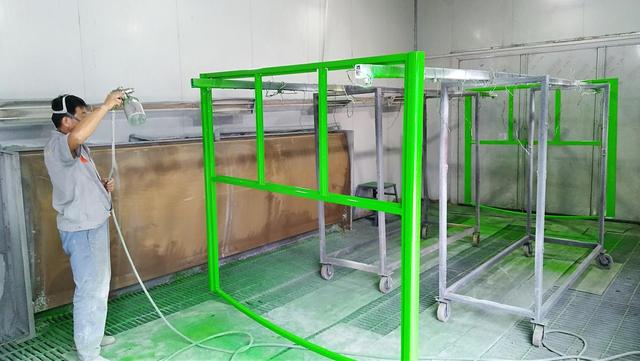
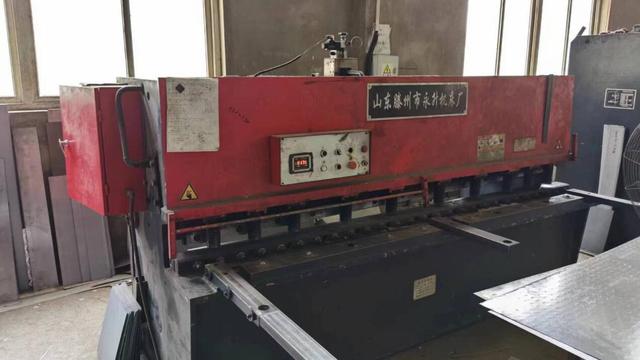
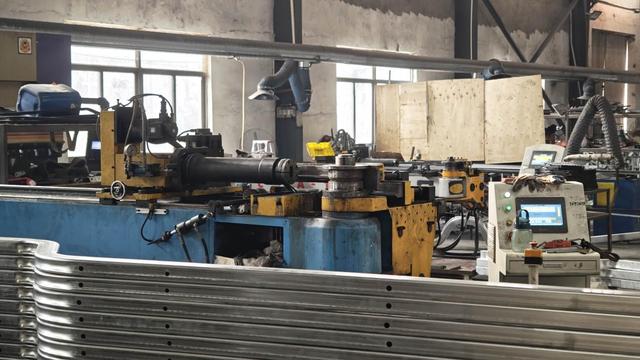
Inside Shenzhen Kabar Golf's 18,000 Square Meter Industrial Factory
4. Localized Application Scenarios & Commercial Value

Modern electric utility vehicles must be configured for specific local operational environments. Different commercial contexts require unique chassis designs, power outputs, and cabin layouts:

Resorts, Hotels & Ecotourism

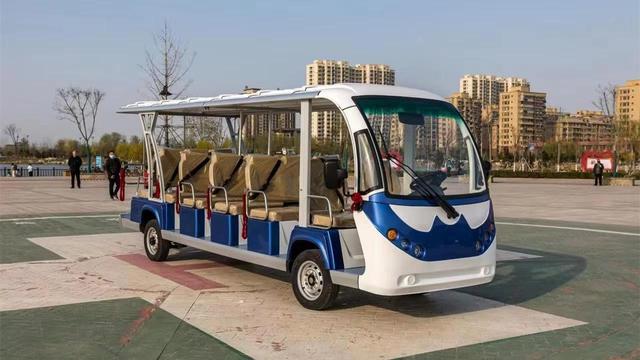
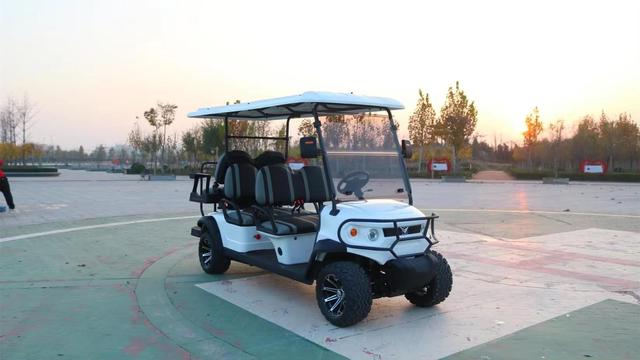
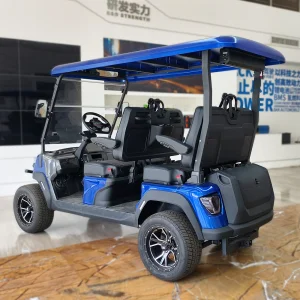
Quiet operation is essential for guest satisfaction. Electric passenger shuttles featuring silent AC motors, comfortable seating configurations (from 4 to 8 seats), and all-weather rain curtains ensure comfortable guest transport across hotels and resort campuses.

Agriculture, Ranches & Farms

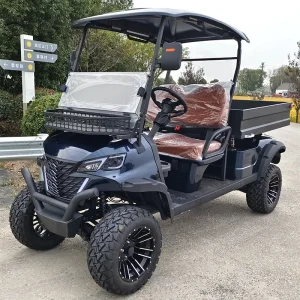
Tough terrain requires durable mechanical designs. Off-road utility carts equipped with lifted suspensions, deep-tread tires, high-torque 72V drivetrains, and drop-side cargo beds allow operators to transport animal feed, tools, and harvest materials across demanding farm terrain.

Municipalities & Institutional Campuses

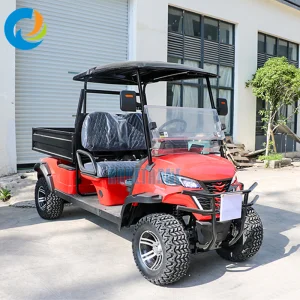
Universities, hospital complexes, and public parks use electric maintenance carts to meet carbon reduction goals. Equipped with specialized toolboxes, rear flatbeds, and warning beacons, these vehicles operate efficiently near pedestrian zones.

5. Future Industry Trends: Smart Tech Integration

The outdoor recreation cart industry is undergoing a significant transformation, driven by technology and sustainability initiatives. Key trends include:

  • Smart Fleet Management (IoT Integration): Large-scale operations now demand GPS tracking, geofencing capabilities, and remote battery health telemetry to optimize fleet utilization and minimize downtime.
  • Transition to High-Voltage Systems: The market is moving from legacy 48V systems to high-performance 72V drivetrains, which offer faster acceleration, superior hill-climbing torque, and improved energy efficiency.
  • Automotive-Grade Safety Standards: Modern vehicles feature advanced safety technologies, including hydraulic disc braking systems on all four wheels, regenerative braking systems, reverse cameras, and digital driver displays.
  • Customized Modular Cargo Systems: Operators require flexible platforms that can adapt to changing needs, shifting from passenger transport to cargo hauling with quick-release conversion systems.

Industry FAQ & Procurement Insights

Expert Guidance on Battery Technology, Manufacturing Processes, and Logistics Compliance

Q1: What are the main benefits of choosing lithium-iron-phosphate (LiFePO4) batteries over standard lead-acid batteries?
LiFePO4 lithium batteries provide significant advantages, including a lifespan of over 3,500 charging cycles (compared to 500-800 cycles for lead-acid), faster charging times, zero ongoing maintenance, and weight savings of up to 70%. This weight reduction improves acceleration, increases range, and reduces wear on tires and suspension components.
Q2: Can your vehicles be registered for use on public streets in the United States and Europe?
Yes. We manufacture specific street-legal configurations that comply with DOT standards (FMVSS Part 571.500 for Low-Speed Vehicles) in the United States, including 17-digit VINs, seat belts, and safety windshields. For Europe, we offer models with CE certification and EEC-compliant setups to facilitate local vehicle registration.
Q3: How does Shenzhen Kabar Golf Co., Ltd. ensure structural quality control?
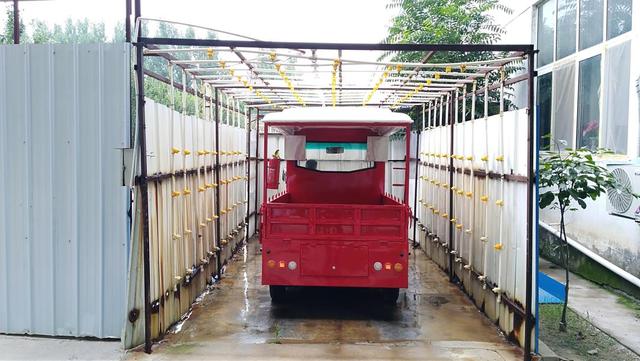
Our quality management system is integrated into every phase of production. We use CNC laser cutters, robotic welding systems, and an advanced powder coating line. Every cart undergoes rigorous testing, including a dyno test, battery charge/discharge evaluation, brake performance testing, and a final water-ingress test before shipment.
Q4: What customization (OEM/ODM) options do you provide for corporate resort fleets?
We offer extensive customization options, including custom exterior paint colors, custom seating arrangements (from 2 to 8 seats), branded upholstery, specialized cargo box designs, heavy-duty utility attachments, custom wheels, and corporate branding integrations to match client specifications.
Q5: What is the typical operational range and charging time of a 72V electric cart?
Depending on battery capacity and vehicle load, our 72V configurations offer a range of 70 to 90 kilometers on a single charge. Using our fast-charging systems, a full charge takes approximately 3 to 5 hours, compared to 8 to 10 hours for conventional lead-acid batteries.
Q6: How are vehicles packaged and protected for international shipping?
We use specialized steel crates and thick bubble wrap to protect the vehicles during shipping. This packaging prevents movement and paint damage inside ocean freight containers, ensuring that vehicles arrive in excellent condition.
Q7: What warranty and after-sales support do you offer to international distributors?
We provide a comprehensive warranty package, including a 3-year warranty on lithium batteries and a 1-year warranty on the chassis, motor, and controller. We maintain a stock of spare parts and offer technical support via video consultation to assist local maintenance teams.
Q8: How do your off-road recreation carts perform on steep inclines and rough terrain?
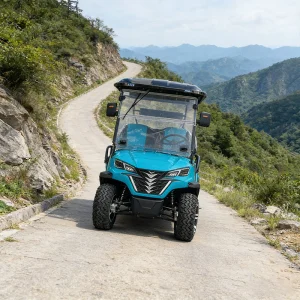
Our off-road vehicles are equipped with high-torque 5KW to 7.5KW AC brushless motors, lifted independent suspensions, and off-road tires. These models can climb slopes of up to 25-30% under full load, making them well-suited for golf courses, hilly farms, and rugged ranch terrains.
Q9: Do your vehicles feature regenerative braking systems?
Yes, our electric drivetrains feature regenerative braking systems. When the operator releases the accelerator or applies the brakes, the motor reverses to slow the vehicle and feeds energy back into the lithium battery, increasing efficiency by up to 15%.
Q10: What is the minimum order quantity (MOQ) for custom-manufactured utility vehicles?
We maintain low minimum order quantities, often starting at a single unit for standard models, to help distributors test new configurations. For custom branding and OEM configurations, MOQ requirements vary, typically starting at 2 to 4 units depending on the complexity of the design.