Explore our high-performance range of street-legal, agricultural, and specialized off-road vehicles built to endure extreme terrain configurations.
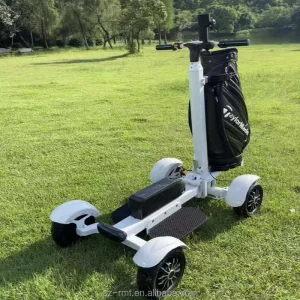
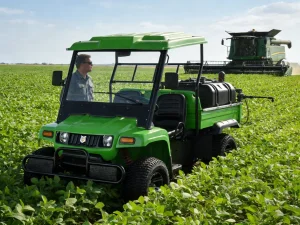
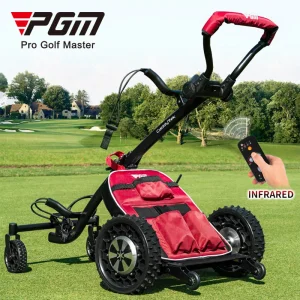
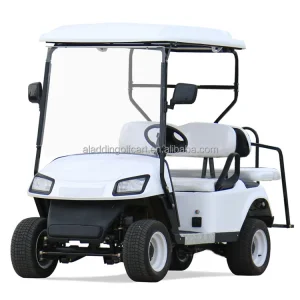
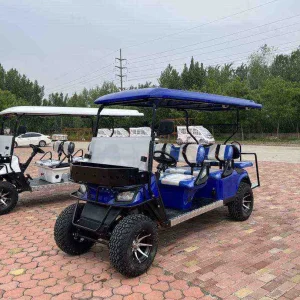
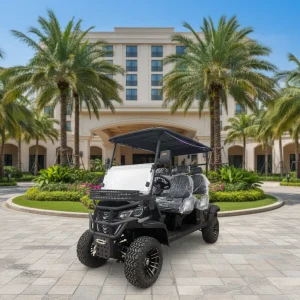
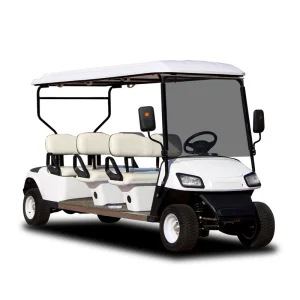
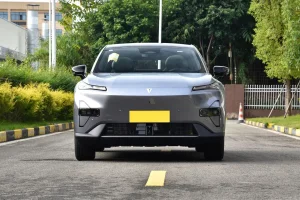
The global off-road and outdoor recreational sectors are undergoing a significant transition. Historically dominated by noisy, emission-heavy gasoline combustion engines, the market for hunting and utility terrain vehicles (UTVs) is rapidly shifting toward high-torque, silent-running, and emission-free electric powertrains. For professional fleet operators, commercial properties, and remote agricultural projects, this transition represents more than an environmental pivot—it is a major operational upgrade.
In hunting, outdoor patrol, and conservation operations, acoustic suppression is a critical requirement. Electric-powered hunting vehicles offer near-silent operation, allowing land managers, conservationists, and hunters to travel remote areas without alerting wildlife or disturbing natural habitats. Additionally, the instant torque delivery of AC electric motors provides superior low-speed control on steep inclines and rough terrain. This combination of silent propulsion and steady power is driving the adoption of electric UTVs in outdoor applications.
From a procurement perspective, sourcing hunting utility vehicles directly from certified manufacturers in China offers significant cost and configuration advantages. China's established electric vehicle ecosystem—which leads the world in lithium battery production, motor controller design, and lightweight chassis engineering—enables manufacturers to build highly durable, custom-configured vehicles at competitive prices. This whitepaper analyzes the manufacturing standards, procurement guidelines, and technical specifications that define high-performance utility vehicles today.
Founded in 2014, Shenzhen Kabar Golf Co., Ltd. is a leading developer and exporter of custom electric utility vehicles, off-road personnel transport buggies, and specialized commercial fleet platforms. Located in Shenzhen, Guangdong—the heart of China's high-tech industrial cluster—the company has built a reliable supply network serving municipal projects, golf courses, major resorts, and agricultural enterprises globally.
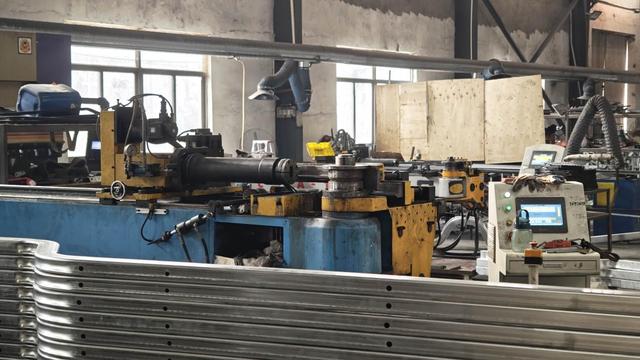
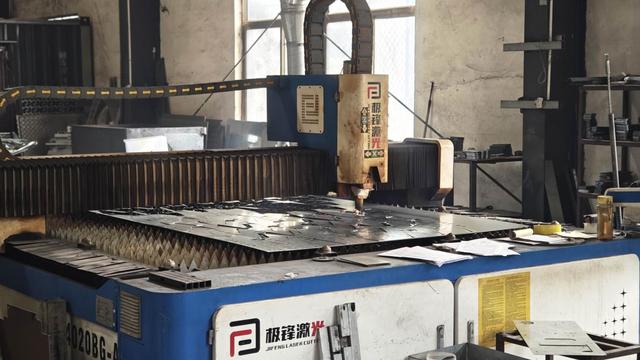
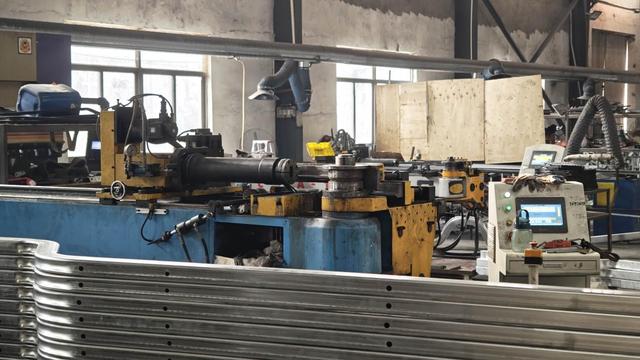
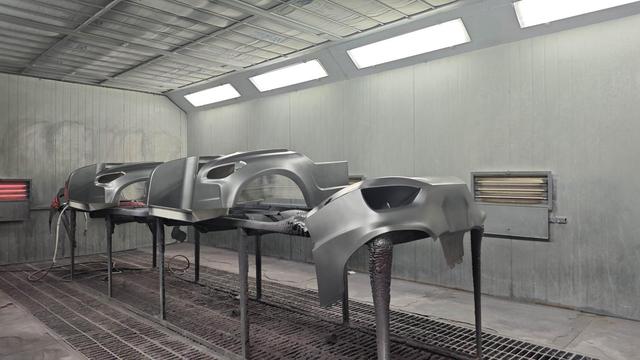
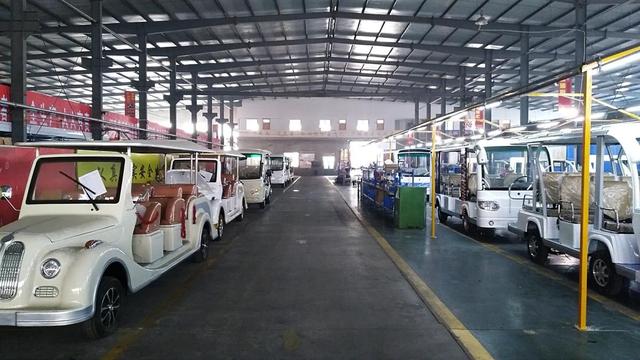
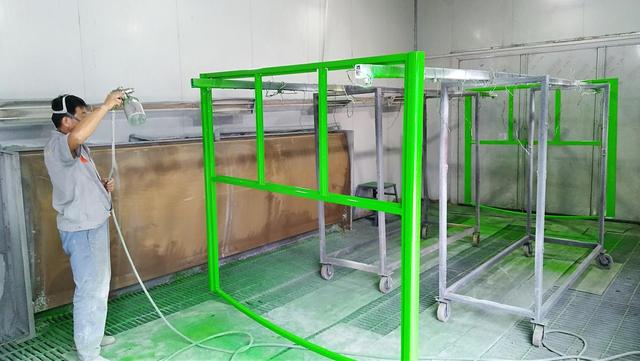
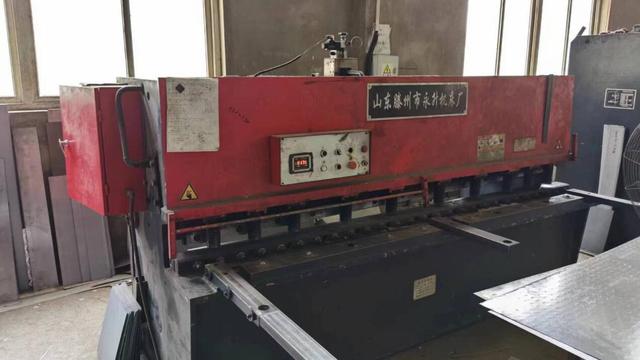
Kabar Golf operates a modern manufacturing facility covering over 18,000 square meters and employs over 220 workers, including dedicated vehicle design engineers, electrical technicians, and quality inspectors. The facility features robotic welding bays, automated chassis assembly lines, and comprehensive electronic diagnostic testing systems. This vertical integration allows for complete control over the production cycle, from structural fabrication to final quality assurance.
The company's R&D efforts focus on integrating battery management technologies, advanced suspension geometry, and smart control systems. By using high-strength structural steel frames and lightweight aluminum alloy components, Kabar Golf ensures its utility vehicles deliver the structural strength required for off-road use while maintaining the energy efficiency necessary for extended battery range.
Industrial and commercial buyers require utility vehicles designed for durability, ease of maintenance, and high efficiency. When sourcing hunting vehicles and UTVs from China, B2B procurement managers typically evaluate several key technical specifications:
Industrial fleets are transitioning from lead-acid batteries to lithium iron phosphate (LiFePO4/LFP) systems. LFP batteries offer substantial advantages: a longer cycle life (exceeding 3,000 charge cycles at 80% Depth of Discharge), zero maintenance, and stable thermal performance under heavy loads. High-voltage platforms (such as 72V) deliver better current efficiency and heat management compared to older 48V systems.
Off-road utility vehicles must navigate uneven terrain, mud, and water hazards. Standard configurations include independent MacPherson front suspension, multi-link rear suspension with coil springs over dampening shock absorbers, and a minimum ground clearance of 220mm. These specifications protect the drivetrain and ensure stability on rough ground.
Corrosion is a primary concern for fleets operating in damp forest environments or coastal resorts. Utilizing structural aluminum alloy frames combined with hot-dip galvanized steel subframes provides protection against rust. This architecture maintains structural integrity and extends the vehicle's service life, reducing the total cost of ownership.
To assist international buyers, Shenzhen Kabar Golf provides customized solutions designed for specific operational environments. These range from high-efficiency agricultural sprayers used in American orchards to heavy-duty off-road cargo buggies equipped with 4WD, designed for rugged backcountry trails.
The future of utility vehicle design is defined by electric propulsion, smart vehicle control, and auxiliary energy generation. Our current engineering research and development focuses on three primary areas:
Integrating high-efficiency monocrystalline solar panels into the roof structure of utility carts offers a reliable range extension. By continuous trickle-charging the traction battery pack, solar-assisted golf carts and UTVs can extend their daily operating range by 15% to 25%, depending on sun conditions. This setup reduces grid-charging dependency and protects the battery from deep discharge states.
For resort management, large estate maintenance, and agricultural properties, managing multiple vehicles requires real-time oversight. Next-generation UTV platforms feature onboard IoT modems that transmit battery status, motor temperature, and vehicle location data to central management systems. Geofencing capabilities can automatically limit vehicle speeds or sound alerts if a driver leaves designated boundaries.
Smart caddies and utility carts equipped with AI tracking sensors can automatically follow operators at a safe distance. Using ultrasonic sensors and ultra-wideband (UWB) tracking modules, these vehicles follow workers hands-free, providing automated material transport for harvesting, maintenance, or cargo transport.
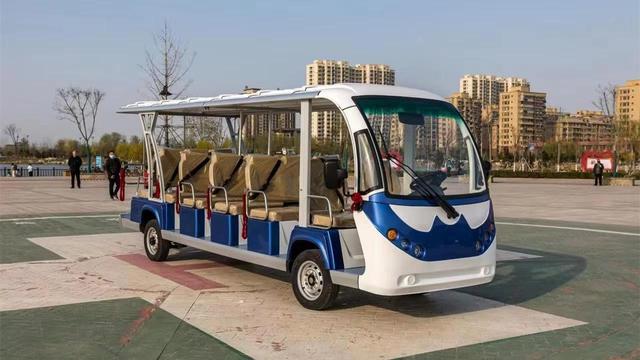
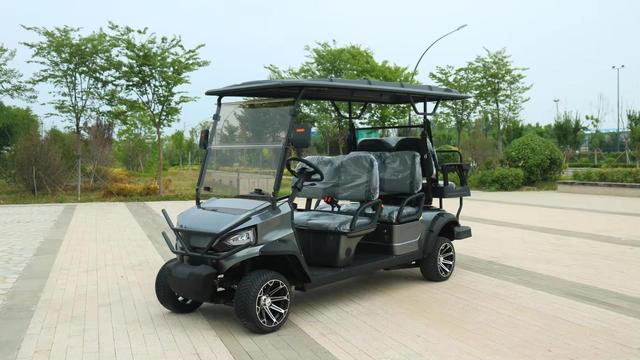
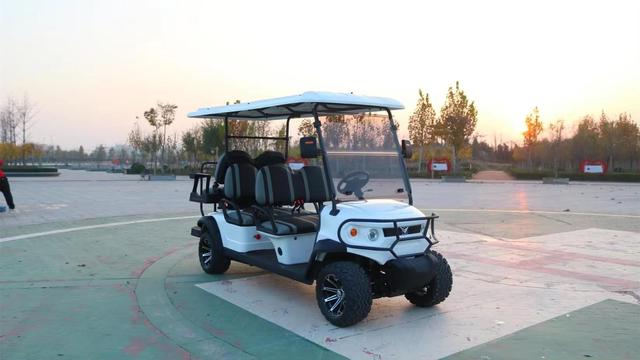
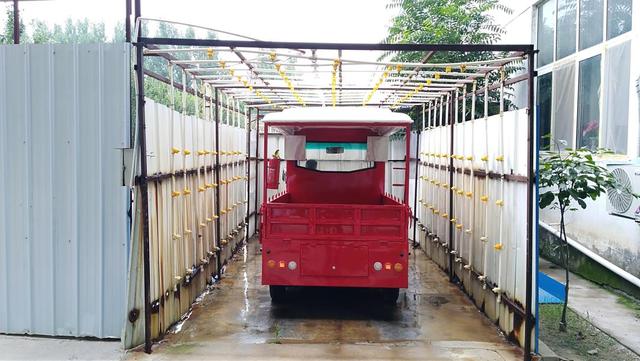
Step inside the Shenzhen Kabar Golf Co., Ltd. manufacturing plant. Our facility utilizes modern production systems and rigorous testing protocols to ensure high vehicle reliability.

Importing commercial vehicles requires strict compliance with local regulatory frameworks. Depending on the destination market, different certifications are necessary to ensure the fleet can legally operate in designated areas:
To reduce shipping costs and import duties, Shenzhen Kabar Golf offers flexible shipping options, including semi-knocked-down (SKD) and completely-knocked-down (CKD) configurations. This allows buyers to assemble vehicles locally, reducing import tariffs and container space requirements.
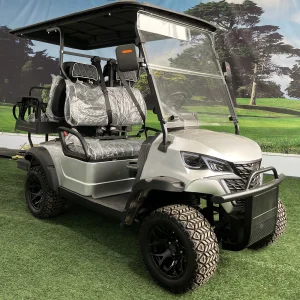
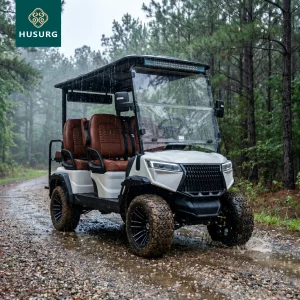
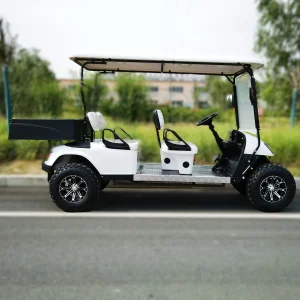
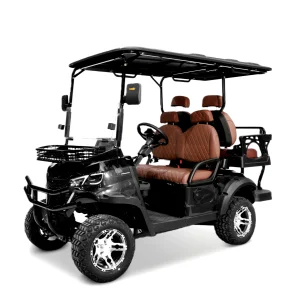
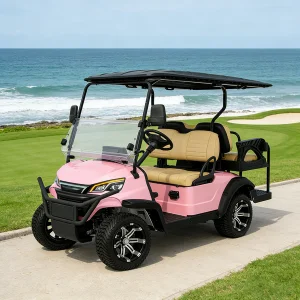
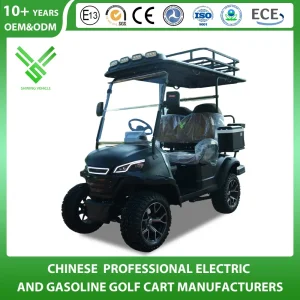
Discover our specialized vehicles designed for high-performance off-road use, cargo transport, and custom fleet operations.
Common questions regarding customization, shipping logistics, and quality assurance for utility vehicles.
 Kabar Golf