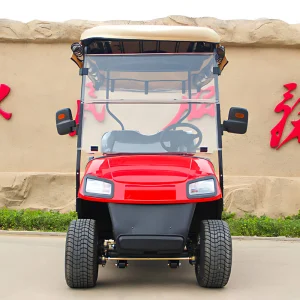
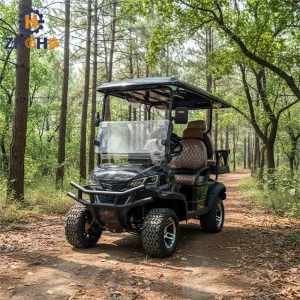
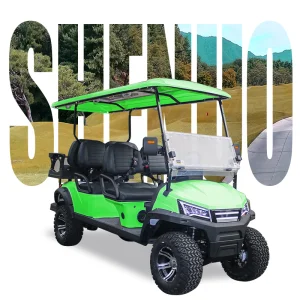
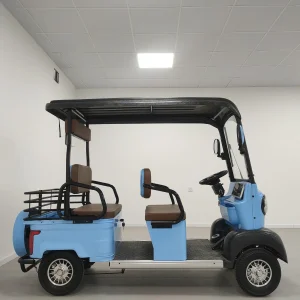
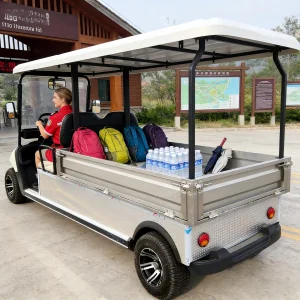
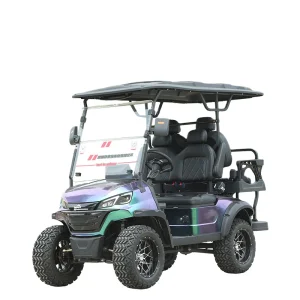
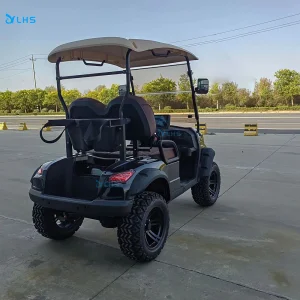
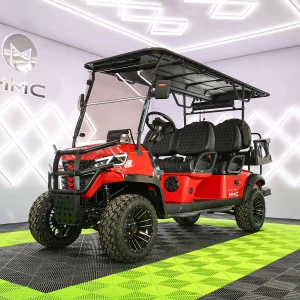
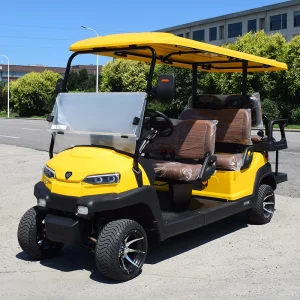
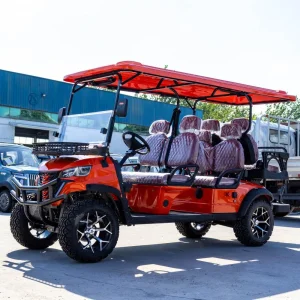
Premium Off-Road, Utility, Passenger, and Specialty Vehicles Designed for Rugged Deployments
Analyzing Macro-Market Demands, Technological Adaptations, and Industrial Applications
In an era defined by rapid urbanization, expanding commercial properties, and the diversification of large-scale resort complexes, the global demand for versatile off-road and multi-terrain mobility vehicles has surged exponentially. The traditional scope of standard passenger golf carts has evolved dramatically. Today, multi-terrain adaptable utility carts are engineered to withstand extreme grades, variable surface conditions, and high-frequency cycles. These robust vehicles are transforming transport systems across hotels, resorts, agriculture operations, construction zones, municipal parks, airports, and heavy-duty industrial yards worldwide.
The shift towards carbon neutrality is driving significant technological changes, replacing internal combustion engines with high-efficiency electric drivetrains. Modern fleet procurement managers look beyond basic configurations. They demand advanced lithium-ion battery integration, rugged double-wishbone suspension configurations, anti-corrosive chassis structures, and computerized energy management systems. These enhancements ensure long-range reliability, high load capacities, and minimal maintenance overheads in harsh environments, from coastal salt sprays to freezing mountain terrains.
"Real-world versatility is no longer an optional luxury—it is the baseline for global commercial fleet efficiency. Multi-terrain adaptable carts serve as the backbone for complex, emission-free logistics, bridging the gap between heavy automotive vehicles and small-scale operations."
Achieving cross-terrain reliability requires significant structural changes. Top manufacturers are moving away from light passenger vehicle chassis, shifting to high-tensile, robotically welded structural steel or aluminum frames. These structures undergo advanced electrophoresis anti-rust processing to endure extreme humidity and environmental degradation. Combined with lifted independent suspensions, adjustable shock absorbers, and low-pressure, high-traction off-road tires, these utility carts maintain stability and power over gravel, sand, mud, and steep grades.
Underpinning Heavy-Duty Electric Vehicle Production with Advanced R&D and Scalable OEM/ODM Capabilities
Established in 2014, Shenzhen Kabar Golf Co., Ltd. is a leading manufacturer specializing in electric golf carts, multi-passenger shuttles, utility transport vehicles, and customized mobile units. Headquartered in the technological hub of Shenzhen, Guangdong, China, the company operates a modern manufacturing facility spanning more than 18,000 square meters. A dedicated team of 220+ professional engineers, technicians, and quality assurance personnel supports the entire manufacturing process.
The company’s diverse product range serves various industries: from resort and community transportation to industrial cargo carriers, street-legal buggies, and tailored fleets. By focusing on ergonomic engineering, active safety configurations, and energy-saving drivetrains, Kabar Golf provides robust and sustainable mobility options that help reduce carbon footprints.
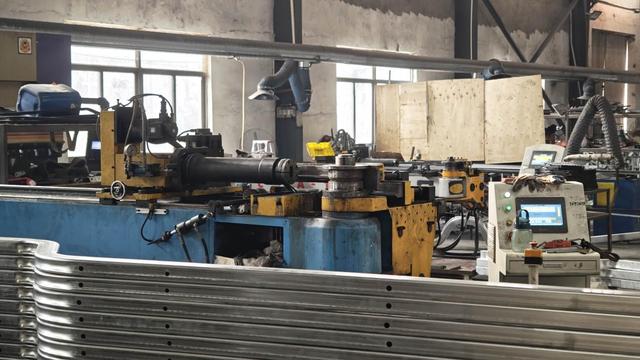
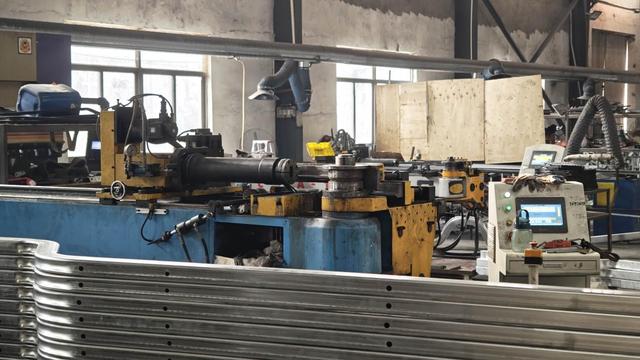
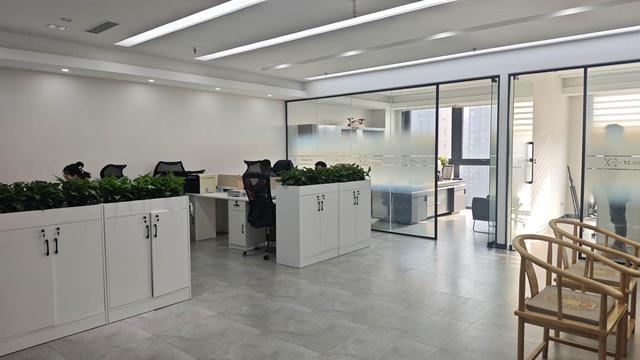
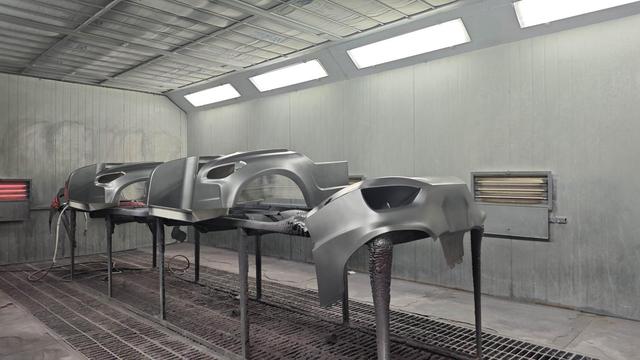
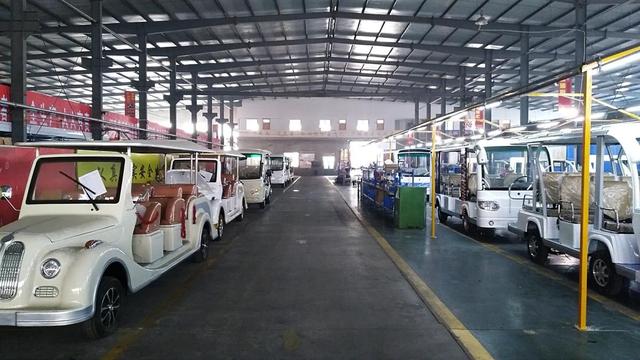
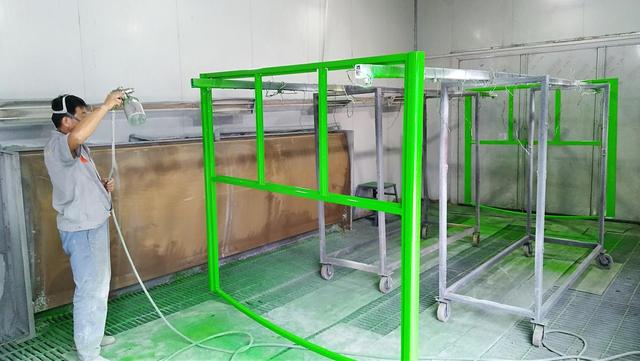
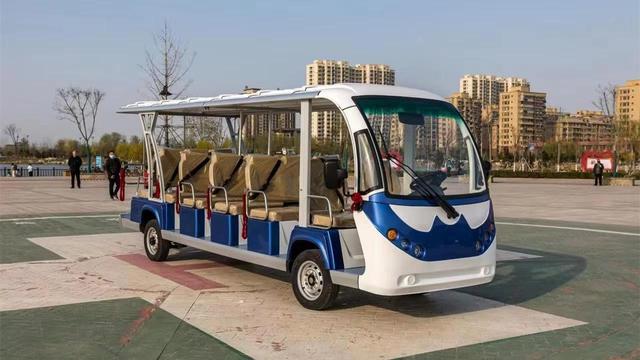
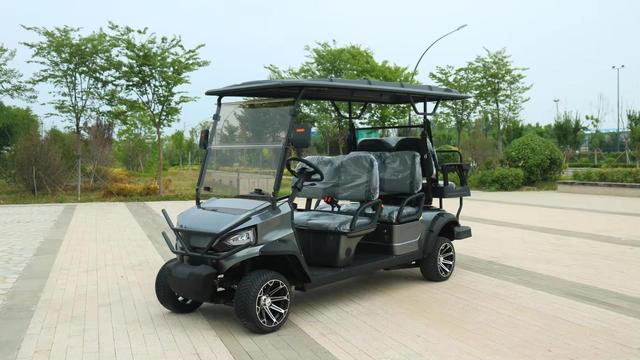
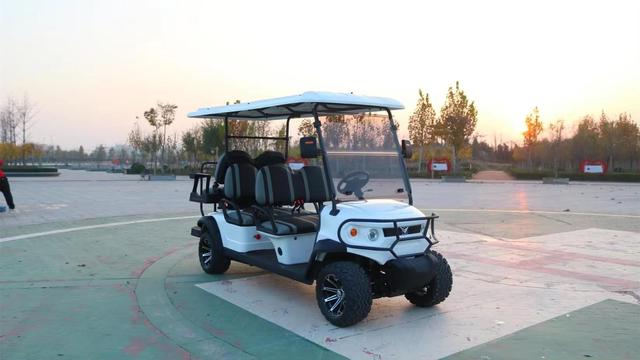
Supported by a dedicated R&D division, Kabar Golf continuously updates its power systems, battery intelligence, and vehicle electronics. They offer comprehensive OEM and ODM solutions, including custom paint finishes, structural changes, customized cargo configurations, passenger seat expansions, and integrated GPS fleet tracking setups. This agility enables international buyers to specify configuration demands that align with regional regulations, safety standards, and commercial client preferences.
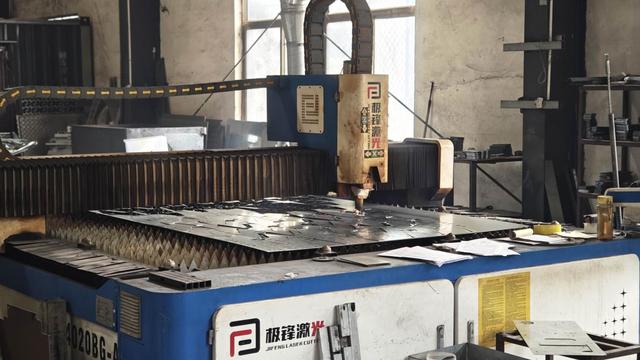
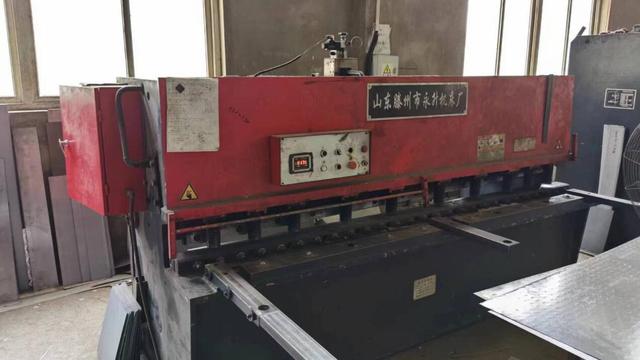
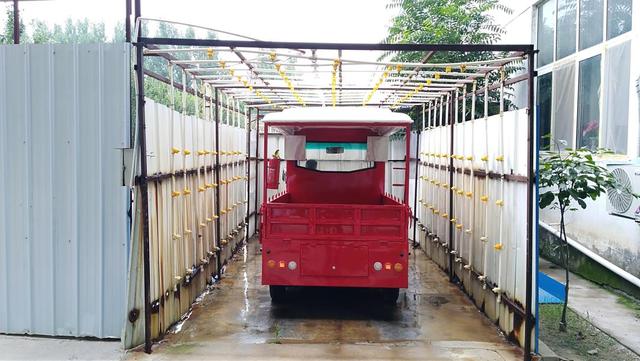
Quality control is integrated into every stage of fabrication. From initial steel laser cutting and robotic welding to electrical wiring harness assembly and waterproofing, each cart undergoes dynamic road tests, grade-climbing reviews, braking analysis, and high-pressure water spray insulation testing. The finished vehicles are exported to North America, Europe, the Middle East, Southeast Asia, and Australia, providing long-term reliability and high residual value.
Configured for Specific Environmental Challenges and Operational Demands
Terrain adaptability requires customization based on regional geography. In coastal resorts like those in Florida or Gold Coast Australia, salt air accelerates oxidation. Vehicles used here need hot-dip galvanized steel or premium aluminum alloys, coupled with IP67-sealed controllers and wiring harnesses, to prevent electrical faults.
For eco-agriculture, vineyards, and sprawling horse farms, vehicles encounter slick clays, loose loam, and steep inclines. Standard golf buggies risk wheel spin and bottoming out. These applications require dynamic 4WD systems, lockable differentials, and high-ground-clearance suspension lifts. They must climb grades exceeding 25% while carrying tools and materials.
In high-density commercial developments and smart industrial zones, efficiency centers on route optimization, cargo security, and continuous duty cycles. High-capacity lithium batteries support quick-charging, enabling continuous operations over multiple shifts. This setup reduces overall fleet sizing requirements and lowers operating costs.
The Integration of Advanced Electronics, High-Performance Batteries, and Fast-Turnaround Customization
China leads the global production of light electric vehicles (LEVs) and multi-terrain utility carts due to its robust industrial ecosystem. The concentrated supply chain in areas like Guangdong offers immediate access to critical components: from brushless AC electric motors and digital vector controllers to high-energy-density LiFePO4 (Lithium Iron Phosphate) battery cells.
This proximity lowers raw material logistics costs and accelerates R&D prototyping. A custom chassis design, steering update, or dashboard modification can progress from CAD rendering to physical testing in days rather than months. Chinese manufacturers leverage this ecosystem to offer flexible configuration options at scale, maintaining competitive lead times.
Furthermore, China's modern factories employ advanced automation, including CNC fiber lasers and robotic welding stations, to ensure consistent structural quality. Quality control matches global standards, with certifications including CE for Europe and EPA/CARB for North America. This blend of cost efficiency, strict quality standards, and design flexibility makes China a leading hub for fleet procurement managers and international distributors.
Essential Metrics for Importing Multi-Terrain Electric Utility Fleets
Procuring utility vehicles requires careful evaluation across several technical metrics to ensure low total cost of ownership (TCO) and reliable operation:
While traditional flooded lead-acid batteries have lower upfront costs, they require regular water top-offs and have a shorter lifespan (300–500 cycles at 80% DoD). Lithium Iron Phosphate (LiFePO4) systems provide up to 3,000–4,000 charge cycles, require zero maintenance, support opportunity charging, and offer double the energy density. This lowers TCO and increases daily fleet availability.
B2B buyers should prioritize maintenance-free AC brushless induction motors or Permanent Magnet Synchronous Motors (PMSM) over brushed DC designs. Paired with controllers from reputable brands like Curtis or Inpower, these drivetrains deliver high startup torque, efficient regenerative braking, and user-configurable speed settings.
Vehicles must comply with destination-market regulations. For public road use, carts need to meet LSV (Low-Speed Vehicle) standards, including features like three-point seat belts, tempered glass windshields, turn signals, mirrors, horn, and VIN generation capabilities. Industrial purchases should verify CE, ISO 9001, and EPA/CARB compliance to prevent regulatory friction at customs.
IoT Telematics, Automated Control, and Solar Integration
The light electric vehicle sector is incorporating technologies from passenger electric cars, transforming basic golf buggies into smart, connected transport units. Key emerging trends include:
1. Intelligent Fleet Telematics: Modern operations rely on cloud-connected fleet management systems. Utilizing GPS tracking and cellular modules, managers can track vehicle locations in real time, establish virtual geo-fences to prevent unauthorized off-site driving, monitor battery states, and receive proactive maintenance alerts.
2. Solar-Assisted Roof Integration: Photovoltaic cells integrated directly into the cart's canopy harvest solar energy during outdoor operations. This setup can extend driving ranges by 10% to 15% per day, reducing grid charging requirements and helping prolong the lifespan of the main battery pack.
3. Smart Safety Systems: Advanced driver-assistance systems (ADAS) are being adapted for low-speed environments. Innovations like ultrasonic parking sensors, backing cameras, auto-hold electromagnetic braking, and pedestrian warning systems help lower accident rates on active work sites and crowded resorts.
Addressing Common Engineering, Importation, and Operation Questions
Adaptability depends on suspension design (e.g., independent double-wishbone setups), ground clearance (exceeding 180mm), low-pressure knobby tires, high-torque drivetrains, and dynamic motor controllers. These elements work together to ensure stability, climbing capacity, and traction on dirt, sand, and gravel.
Quality lithium battery systems include integrated Battery Management Systems (BMS) with thermal sensors. In cold regions, internal heating wraps maintain temperature above freezing during charging. In high-heat areas, heat-dissipating casings and thermal limits protect the battery cells, ensuring reliability across a broad operating temperature range.
Yes. R&D operations accommodate various customization options, including custom colors, branding, cargo bed configurations (flatbeds, hydraulic dumps, closed boxes), seating layouts, weather enclosures, and specialized trailer hitches.
Standard warranties offer 1 to 2 years on mechanical and frame components, and up to 5 years for lithium battery packs. Technical support is available online, and replacement parts are shipped quickly via express air freight to minimize vehicle downtime.
To optimize freight costs, vehicles are shipped in CKD (Completely Knocked Down) or SKD (Semi-Knocked Down) states. They are packed in custom steel crates to maximize space in 20ft and 40ft containers, while ensuring protection against damage during transit.
Industrial, Recreational, and Specialty Drivetrain Vehicles Engineered to Order
 Kabar Golf