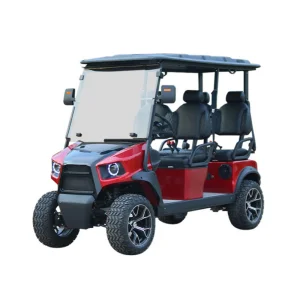
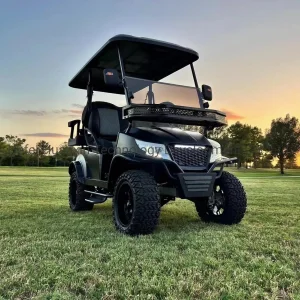
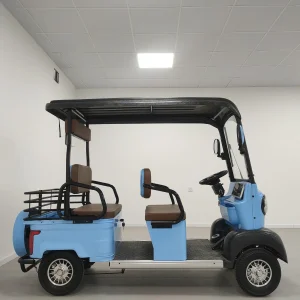
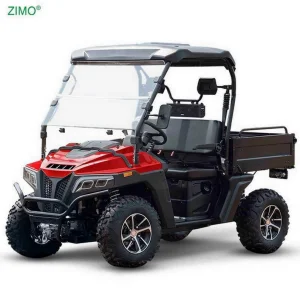
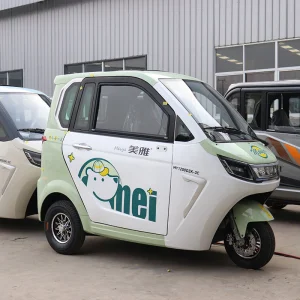
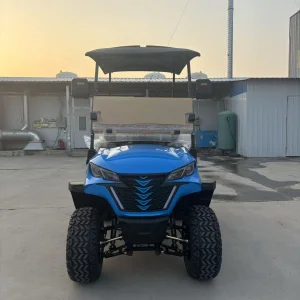
Explore our elite range of advanced electric golf carts, multi-passenger low-speed transit vehicles, and smart caddies engineered for efficiency and environmental stewardship.
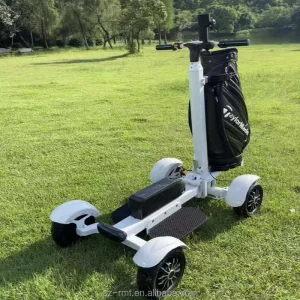
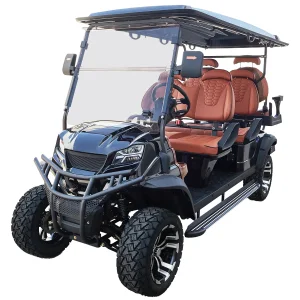
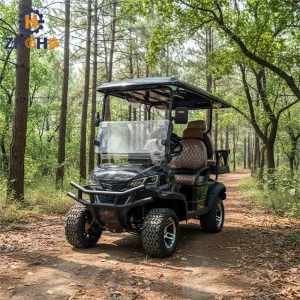

A deep dive into how Low-Speed Electric Vehicles (LSEVs) are modernizing micro-mobility in commercial complexes, premium real estate, and municipal infrastructure projects.
The global demand for Personal Transportation Vehicles (PTVs)—encompassing electric utility carts, off-road leisure buggies, resort shuttles, and street-legal Low-Speed Vehicles (LSVs)—is undergoing an unprecedented structural transition. Propelled by global decarbonization mandates, corporate ESG targets, and the operational optimization of mega-scale resorts, airports, and master-planned residential communities, clean-energy utility transport has evolved from a niche application to critical commercial infrastructure.
In mature economies across North America and Europe, strict carbon emission regulations and municipal incentives have accelerated the retirement of internal combustion engine (ICE) utility fleets. Concurrently, rapid urbanization in the Middle East and Southeast Asia has catalyzed the construction of expansive, pedestrian-centric developments where conventional vehicular transit is restricted. In these premium spaces, PTVs provide a quiet, zero-emission transportation layer that integrates seamlessly with smart-city infrastructures.
| Market Vector | Key Driver | Technological Focus | Regulatory Landscape |
|---|---|---|---|
| Resorts & Hospitality | Enhancing guest experience & operating noise abatement | Premium comfort seating, customized luxury styling | Private property safety standards |
| Industrial Complex Logistics | Optimizing last-mile freight & dynamic material handling | Heavy-load hydraulic cargo beds, high payload suspension | OSHA & warehouse safety directives |
| Gated Communities / LSV | Clean, quiet, short-distance commuting | DOT-approved glass, high-visibility lighting, seat belts | US FMVSS Title 500 / European L7e-A Classification |
| Specialty Sports / Golf Clubs | Asset protection, course preservation, operational analytics | GPS geo-fencing, telemetry, cloud-based fleet diagnostic tools | ANSI / OPEI Z130.1 standard conformity |
Analyzing the cost dynamics, component clustering, and advanced production capacity that establish Shenzhen and Guangdong as global epicenters for electric vehicle manufacturing.
The manufacturing supremacy of China's PTV sector is not merely a product of labor efficiency; it is the consequence of deep vertical supply-chain integration and structural cluster advantages. Centered in Southern China's industrial corridor, factories benefit from immediate proximity to key raw materials and sophisticated tier-one component suppliers.
From advanced automotive-grade lithium-iron-phosphate (LiFePO4) battery pack assembly lines to precision motor controller fabrication hubs, every critical element of an electric utility vehicle is sourced, calibrated, and deployed locally. This physical concentration of the supply chain dramatically reduces logistics lead times, slashes prototyping intervals from months to weeks, and allows for rapid iterative customization that Western competitors find challenging to duplicate.
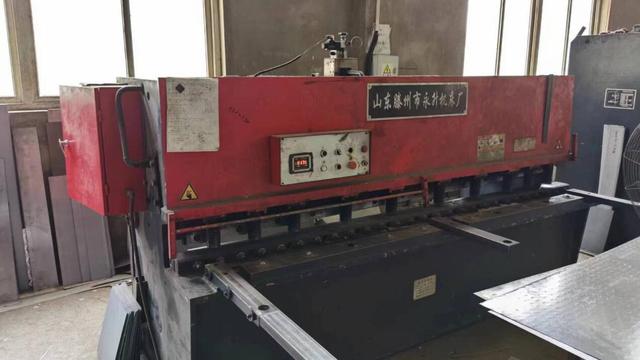
Additionally, Chinese production facilities have integrated advanced robotic welding, computerized steel chassis alignment systems, and environmental chamber test chambers. This technological focus ensures that every export-ready vehicle complies with international standards, delivering high durability and low maintenance cycles over the lifecycle of the vehicle fleet.
An authoritative supplier overview highlighting a decade of engineering prowess and custom vehicle design.
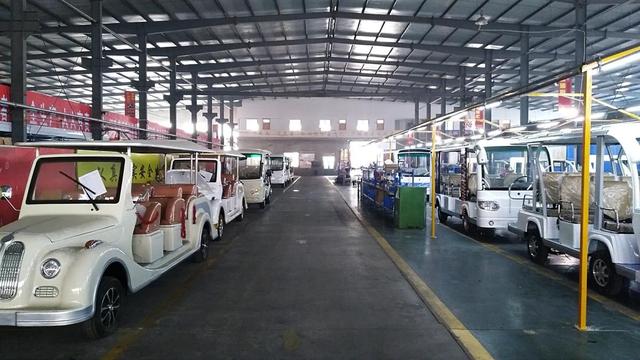
Shenzhen Kabar Golf Co., Ltd. is a professional golf cart manufacturer located in Shenzhen, Guangdong, China. Established in 2014, the company specializes in the research, development, manufacturing, and export of electric golf carts, utility vehicles, and customized mobility solutions for global customers. With a modern production facility covering more than 18,000 square meters and a dedicated workforce of over 220 employees, Kabar Golf has developed into a reliable supplier serving golf courses, resorts, hotels, industrial parks, residential communities, airports, campuses, and commercial facilities worldwide.
Supported by an experienced engineering and R&D team, Shenzhen Kabar Golf continuously invests in vehicle innovation, battery technology, intelligent control systems, and ergonomic design. The company offers comprehensive OEM and ODM services, including vehicle customization, branding, color matching, seating configurations, accessory integration, and private-label manufacturing to meet the diverse requirements of international markets.
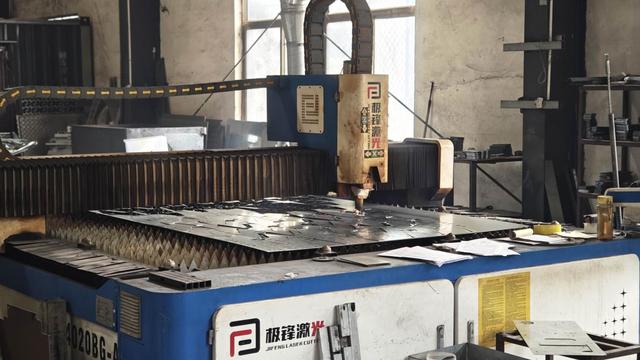
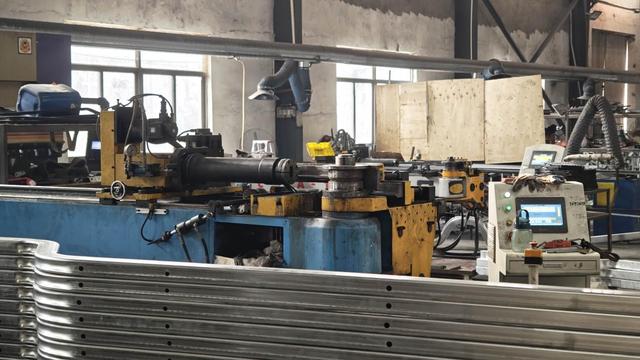
Quality management is integrated throughout every stage of production, from component sourcing and vehicle assembly to testing and final inspection. Advanced manufacturing equipment and strict quality control procedures help ensure consistent product performance and reliability.
Continuous investment in vehicle powertrain engineering, high-efficiency AC motors, and intelligent control algorithms for smooth deceleration and responsive handling.
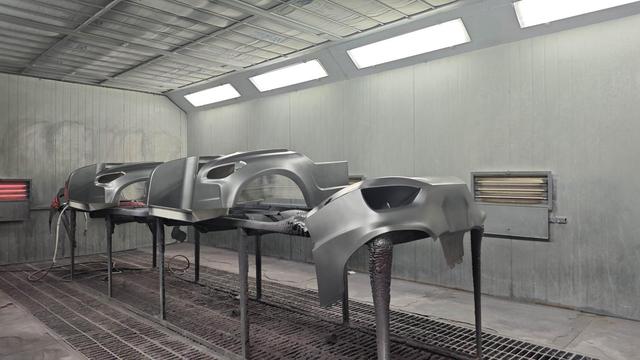
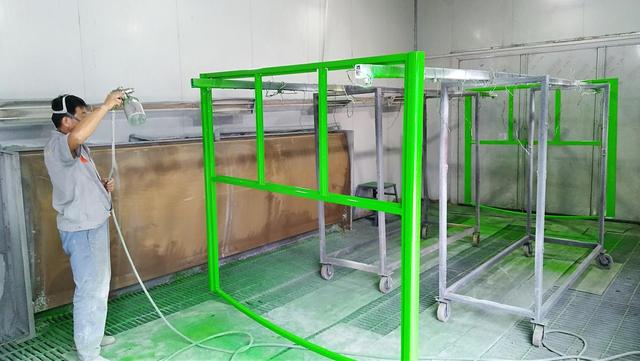
From personalized corporate fleet paint applications to specialized hydraulic lift cargo beds and customized configurations, we transform specialized requirements into functional utility assets.
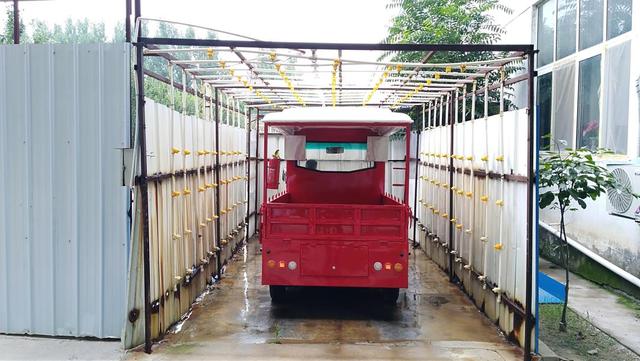
Every vehicle undergoes load testing, brake response trials, dynamic stability assessments, and water-resistance enclosure testing to guarantee longevity in harsh environments.
Adapting vehicle design and mechanical layouts to meet the functional challenges of varied operating environments.
A primary factor behind the success of Shenzhen Kabar Golf's vehicles in global markets is their ability to withstand diverse localized conditions. The operational challenges faced by a resort fleet in a hot, high-humidity coastal region in Southeast Asia differ significantly from the demands on a utility cart carrying heavy loads in an industrial campus in Central Europe.
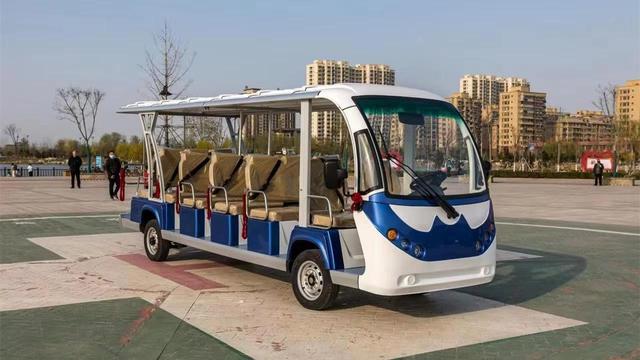
For high-end resorts and hotels, the priority is absolute operational noise reduction, smooth ride quality, and aesthetics. Our range of multi-passenger resort shuttle carts features premium independent suspension systems, marine-grade soft cushioned seats, and weather-resistant canopies. The low-noise electric drive ensures a quiet, relaxing environment for guests while reducing the establishment's carbon footprint.
In heavy-duty applications, construction and mechanical durability are paramount. Our electric cargo and utility vehicles feature high-tensile steel or reinforced aluminum chassis, heavy cargo load decks, and high-torque AC motors designed to move heavy loads over steep grades. These utility vehicles are frequently deployed in airports for luggage transit and in industrial facilities for low-emission material transport.
For street-legal operation in master-planned communities and public roads, vehicles must comply with strict safety rules. Our street-legal electric vehicles feature complete DOT-approved safety gear, including three-point seat belts, high-visibility LED lights, functional turn indicators, dual side mirrors, safety glass windshields, and reliable four-wheel hydraulic braking systems.
Exploring the integration of advanced smart fleet management systems, IoT technology, and high-efficiency battery chemistries.
The low-speed vehicle market is transitioning from simple golf cart designs to highly connected, smart transportation platforms. Key trends driving this evolution include:
Lithium Iron Phosphate (LiFePO4) battery packs are replacing traditional flooded lead-acid batteries. This change yields significant operational benefits, including a longer lifespan (over 4,000 charge cycles compared to 1,500 for lead-acid), zero routine maintenance, faster charge rates, and a substantial reduction in overall vehicle weight, which improves range and reduces wear on tires and turf.
Modern commercial PTV fleets increasingly rely on real-time telematics. Integrated GPS tracking, remote battery diagnostics, and geofencing capabilities allow operators to monitor vehicle health, optimize routes, enforce speed limits, and manage geofenced boundaries to prevent vehicles from wandering into off-limits areas.
By capturing kinetic energy during downhill travel and deceleration, advanced motor controllers feed charge back into the battery pack. This technology extends the operational range by up to 15% per charge cycle and reduces brake pad wear, lowering long-term maintenance costs.
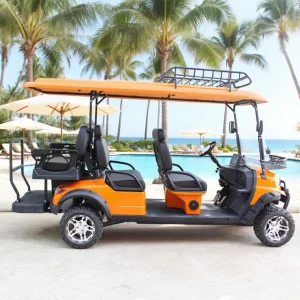
Discover reliable 6-seater passenger options, off-road utility models, and street-legal solutions tailored to your operational specifications.
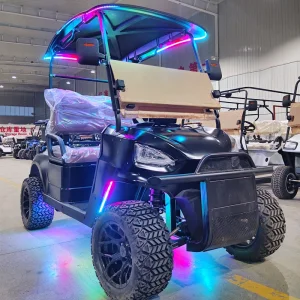
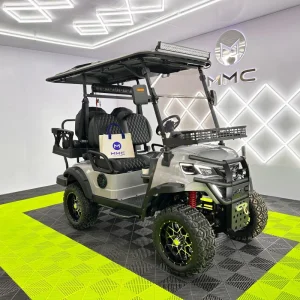
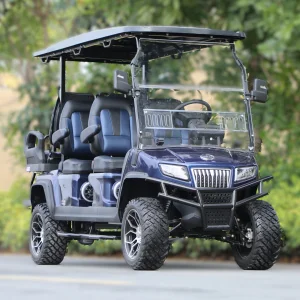
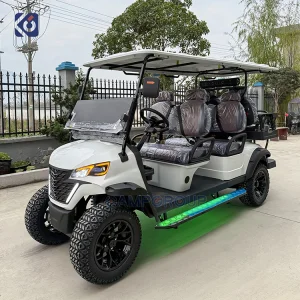
Essential purchasing and engineering guidance to help global procurement managers make informed decisions.
A look inside our 18,000 sqm production hub, where our teams manage manufacturing precision, structural integrity, and rigorous testing protocols.
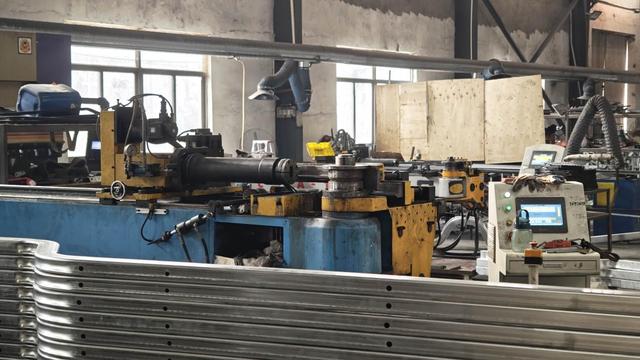

 Kabar Golf