Why Do Golf Carts Have Different Lifespans?
A golf cart can run smoothly for years, yet the same model may age quickly in another owner’s hands. The difference often shows up in small routines: a battery left undercharged, a corroded terminal, or tires repeatedly driven over rough ground. To understand what factors affect golf cart lifespan, it helps to look beyond the odometer. Battery chemistry, charging habits, climate, load, terrain, and service history all shape how long a cart remains dependable.
There is no single lifespan figure that applies to every cart. Trojan Battery’s technical guidance emphasizes regular charging, correct watering for flooded lead-acid batteries, and proper storage; these practices matter because batteries are among the cart’s most wear-sensitive components. Manufacturers’ warranties also vary by model and battery type, so warranty terms are useful reference points—not promises of total vehicle life. Small details matter. A loose cable can become a costly repair.
As a practical takeaway, golf-cart service specialists often stress that maintenance and use determine how quickly components wear. I can’t verify a named industry expert’s exact quotation from the material provided, so I won’t invent one. This article examines the evidence and everyday factors behind different lifespans, including battery care, climate exposure, passenger loads, and repair decisions. Some causes are obvious; others deserve a closer look.
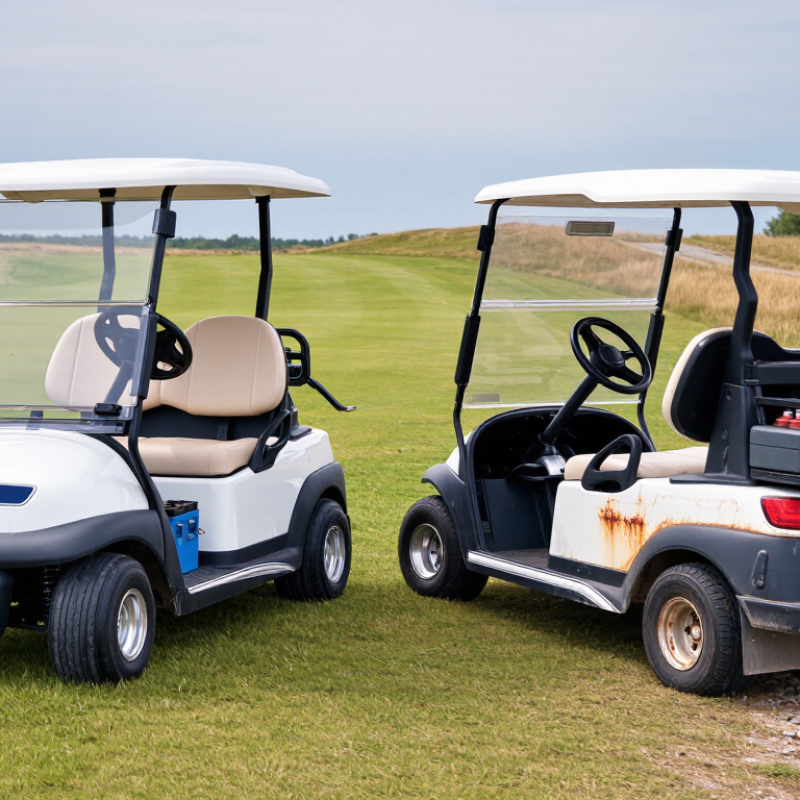
A golf cart does not have one lifespan; each major component ages at a different pace. Lead-acid batteries often last about four to six years, while lithium packs may last eight to ten. These are estimates, not promises. Charging habits, heat, storage, and daily workload all matter. Repeated deep discharges can shorten battery life. Small habits add up.
The powertrain may outlast several battery packs. Electric motors can run for many years, but controllers, cables, and bearings still wear or fail. Gas-powered carts need regular engine and fluid maintenance. A neglected belt or loose connection can cause trouble sooner than expected. The chassis may last 15 years or longer when kept dry and clean, though rust, heavy loads, and rough paths can weaken it. A single lifespan number can be misleading.
Tips: Charge batteries after use, avoid leaving them empty, and check terminals for corrosion. Keep the cart under cover when possible. Listen for new rattles, and inspect the frame each season. Some wear is easy to miss until it becomes expensive.
| Component | Typical Service-Life Range | How Lifespan Is Measured | Factors That Affect Lifespan | Common Signs of Wear |
|---|---|---|---|---|
| Lead-acid battery pack | About 4–6 years under typical use and proper maintenance | Calendar years and charge-cycle history; usable capacity gradually declines | Deep discharges, frequent short charging, high temperatures, low electrolyte levels in serviceable batteries, and infrequent use | Reduced driving range, slower acceleration, longer charging time, or difficulty holding a charge |
| Lithium-ion battery pack | Often about 8–12 years, depending on chemistry, use, and battery-management controls | Calendar years, charge cycles, and remaining capacity relative to the original rating | Heat, heavy cycling, prolonged storage at a very high or very low state of charge, and charging practices | Noticeably shorter range, reduced power under load, or battery-management warnings |
| Electric motor and drivetrain | Often 10–20 years or longer with routine care; individual parts may need service sooner | Operating years and hours, load, and condition of bearings, wiring, and drivetrain parts | Repeated overloading, steep terrain, water or dirt intrusion, poor maintenance, and excessive heat | Unusual noise, vibration, overheating, reduced performance, or visible wear in drivetrain components |
| Gas engine and related systems | Often several thousand operating hours with regular servicing; actual life varies substantially | Engine hours, service history, and condition of the engine and supporting systems | Missed oil changes, dusty conditions, prolonged idling, heavy loads, and inadequate cooling | Hard starting, smoke, oil consumption, unusual engine noise, or declining power |
| Controller, charger, and electrical components | Highly variable; commonly several years to more than a decade | Component condition, operating hours, electrical load, and exposure to moisture or heat | Voltage fluctuations, corrosion, water exposure, poor connections, overheating, and incompatible charging equipment | Intermittent operation, charging faults, warning indicators, or sudden loss of power |
| Chassis and frame | Often 20 years or longer when protected from corrosion and structural damage | Structural condition rather than a fixed replacement interval | Salt, standing moisture, coastal air, impacts, overloading, and neglected rust protection | Visible corrosion, cracks, bent sections, loose mounts, or unusual movement while driving |
| Suspension, steering, and brakes | Wear parts may need replacement within a few years; timing depends on use and conditions | Mileage or operating hours, inspection results, and measured wear of individual parts | Rough or uneven terrain, frequent stops, heavy loads, water, and lack of inspection | Excessive play, uneven tire wear, pulling, noise, vibration, or reduced braking performance |
With suitable care, they commonly last four to six years. Treat that as an estimate, not a guarantee.
Heavy loads, frequent short trips, high temperatures, and long periods without charging can speed up wear. Steep paths add strain.
Check flooded batteries regularly and keep their plates covered with distilled water. Avoid overfilling. Sealed batteries should not be opened.
No. Track operating hours, loads, terrain, and charging habits. A small hour meter can show how hard the cart works.
Yes. Repeated deep discharges can shorten the useful life of deep-cycle batteries. Recharge according to the battery maker’s guidance.
Note when these problems occur and how often. They may signal strain or a maintenance issue, but one symptom proves little.
Lead-acid batteries are often rated around 500–1,000 cycles; lithium batteries may reach 2,000 or more. Test conditions matter. A cycle is not a year.
No. They are comparison points, not promises. Local use and maintenance records help, though logs can be imperfect.
A golf cart’s lifespan is not a single number: its battery, powertrain, and chassis can wear out at different rates. Battery life often varies most, depending on battery chemistry, charging habits, and how deeply it is discharged. Lead-acid batteries commonly last around four to six years under suitable conditions, while the motor, drivetrain, and frame may remain serviceable for longer with consistent care. Looking at each component separately gives a more realistic picture of a cart’s overall condition.
Several practical factors explain what factors affect golf cart lifespan. Frequent use and long operating hours increase wear, especially when the battery is repeatedly drained deeply. Regular charging, proper watering for batteries that require it, tire care, and attention to corrosion can help prevent avoidable damage. Operating conditions also matter: rough terrain, heavy loads, extreme temperatures, and exposure to moisture may shorten service life. Comparing the cart’s usage and maintenance history with relevant manufacturer service-life guidance can help owners plan repairs and replacement more effectively.

 Kabar Golf