Golf carts have evolved significantly beyond their traditional golf course boundaries. They serve various practical purposes in modern transportation. People often wonder, "what are golf carts used for?" The answers are diverse and compelling.
In many communities, golf carts are essential for short-distance travel. They are common in retirement communities, where residents use them to visit neighbors or run errands. Additionally, golf carts are popular in large resorts, allowing guests to navigate expansive properties effortlessly. Their compact size and electric engines make them eco-friendly alternatives to larger vehicles.
However, the growing reliance on golf carts raises questions. Are they safe on roads? Do they contribute to traffic congestion in areas designed for larger vehicles? While they offer convenience, their usage also highlights the need for improved infrastructure. Balancing their benefits with potential drawbacks is crucial for their future in modern transportation.
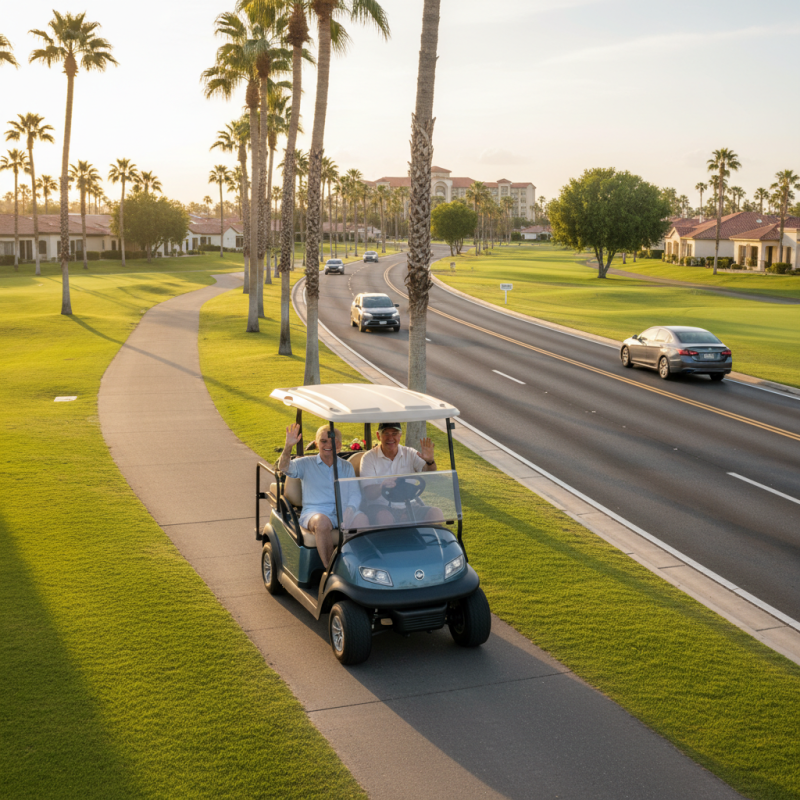
Uses of Golf Carts in Urban Settings and Community Transport
In urban settings, golf carts serve as practical and eco-friendly transportation options. These small vehicles are easy to maneuver, making them ideal for crowded areas. Their silent operation helps reduce noise pollution, which is a significant advantage for residential communities. Golf carts facilitate convenient travel between homes, shopping centers, and recreational areas.
When considering a golf cart for community transport, one should keep in mind a few important tips. Always check the local regulations regarding their use. Some areas may have restrictions on where golf carts can operate. Additionally, ensure you have adequate charging stations to keep the carts functional. This can make a significant difference in maintaining an efficient transport system.
Moreover, not all golf carts are designed for the same type of terrain. Some may not perform well on steep hills or uneven surfaces. Test the carts in various conditions within the community. This approach will help identify any potential concerns before widespread use. Golf carts are not just a trend; they offer practical solutions for modern urban transportation challenges, but careful planning is essential.
Role of Golf Carts in Golf Courses and Recreational Areas
Golf carts are an integral part of modern golf courses and recreational areas. These small, efficient vehicles navigate beautifully well across expansive greens and winding paths. They allow players to focus on their game rather than tiring walks. With the right approach, the use of golf carts can enhance the overall experience of any golfer.
In addition to their role in golf, these carts serve various recreational functions. Families can use them for easy access to parks and beach areas. These vehicles promote enjoyment without burdensome walking. However, their growing popularity raises concerns. Increased cart traffic can sometimes damage delicate landscapes. Balancing convenience with environmental considerations remains crucial for sustainability.
The evolution of golf carts reflects changes in leisure activities. More people embrace these vehicles because of comfort and efficiency. Yet, as usage rises, the impact on nature should not be overlooked. Ensuring that golf carts are utilized responsibly will contribute to maintaining the beauty of these spaces while enhancing user experience. It’s vital to regularly assess how these carts fit within larger environmental frameworks.
Golf Carts in Commercial Transportation and Delivery Services
Golf carts have found diverse applications in commercial transportation and delivery services. Businesses use them to navigate large properties, such as resorts or golf courses. These small vehicles can ease movement across vast areas. They reduce congestion and improve efficiency in crowded environments. This type of transportation helps limit carbon emissions, a growing concern for many enterprises.
In addition to leisure facilities, golf carts serve in urban settings. They are often utilized for local deliveries within communities or business districts. Local restaurants may employ them for quick food deliveries. This method allows for faster service in busy areas. However, one must consider the limitations of golf carts. Their range and speed can be restrictive for certain tasks. Choosing golf carts requires a balance between convenience and practicality.
Another notable aspect is safety. The integration of golf carts into delivery services poses challenges. Areas with heavy pedestrian traffic can be hazardous. Hence, careful planning is needed to ensure safety for both drivers and pedestrians. Adapting to local regulations becomes essential. Businesses need to evaluate whether they align with operational needs. This reflection can enhance the effectiveness of golf carts in modern transportation.
Environmental Impact of Golf Carts Compared to Traditional Vehicles
Golf carts have emerged as a popular alternative for short-distance travel. These small vehicles often operate in urban settings, recreational areas, and gated communities. Their design favors efficiency and maneuverability, allowing them to navigate narrow paths easily. This contributes significantly to reducing road congestion, an issue many cities face today.
In comparing golf carts to traditional vehicles, the environmental impact is notably lower. Golf carts typically consume less energy and produce fewer emissions. Many operate on electric batteries, which reduces reliance on fossil fuels. However, this shift isn’t without its challenges. The limited range of electric carts can be a concern for some users. Battery disposal is another critical issue that requires attention.
Adopting golf carts on a wider scale could benefit urban environments. Their quiet operation fosters a peaceful atmosphere. Yet, concerns about safety and regulation remain. Cities must develop proper infrastructure to accommodate these vehicles. Thoughtful integration can enhance their role in modern transportation.
Future Trends and Innovations in Golf Cart Transportation Solutions
Golf carts are evolving in modern transportation, especially in urban areas and resorts. These vehicles are efficient, eco-friendly, and versatile. They can navigate tight spaces, making them ideal for crowded venues. As urban planning shifts towards sustainability, the demand for golf carts is likely to increase.
Innovations in golf cart design are changing transportation. Electric models are gaining popularity due to lower emissions. Technology is also becoming integral. Features like GPS, smart controls, and connectable apps enhance user experience. Many cities are implementing golf cart lanes, promoting safer travel in busy areas. This provides a fun alternative to traditional vehicles.
Tips for using golf carts effectively include keeping them charged. Always check for updates on local regulations and designated paths. Being aware of your surroundings ensures safe navigation. Embrace the convenience of shorter commutes. Understand both the benefits and limitations of golf carts, as they may not replace full-sized vehicles in every scenario.
What are the Uses of Golf Carts in Modern Transportation? - Future Trends and Innovations in Golf Cart Transportation Solutions
| Use Case |
Description |
Future Trends |
| Golf Courses |
Transportation for players and equipment on the golf course. |
Integration of GPS for navigation and enhanced course management. |
| Residential Communities |
Providing easy transport within gated communities. |
Electric models with smart home integration for convenience. |
| Resorts and Hotels |
Guest transport across large properties. |
Autonomous golf carts for seamless guest travel. |
| Entertainment Venues |
Moving guests within theme parks and event spaces. |
Sustainability initiatives with solar-powered carts. |
| Industrial Areas |
Efficient transport of materials and workers. |
Use of advanced battery technologies for longer usage. |
Conclusion
Golf carts have evolved beyond their traditional role in golfing environments, leading many to wonder what are golf carts used for in modern transportation. In urban settings and communities, they serve as practical solutions for short-distance travel, complementing public transport systems and enhancing mobility for residents. Additionally, golf carts are increasingly utilized in recreational areas and event venues, providing convenient transport for visitors.
Beyond leisure, golf carts play a significant role in commercial transportation and delivery services, particularly in settings where larger vehicles may be impractical. Their environmental impact is notably lower compared to traditional vehicles, making them an appealing choice for sustainable transport solutions. As technology advances, future trends indicate that golf carts will continue to innovate, further integrating into diverse transport ecosystems and contributing to greener urban mobility.

 Kabar Golf