When considering the longevity of golf cart batteries, a crucial question arises: how long do golf cart batteries last? Industry reports indicate that the lifespan of these batteries typically ranges from 4 to 6 years, depending on various factors. High-quality batteries can exceed this average, while cheaper options may require replacement sooner.
Factors influencing battery life include usage patterns, charging habits, and maintenance practices. Regularly charging and properly maintaining batteries can significantly enhance their durability. According to the Battery University, improper care can reduce battery performance and lifespan, highlighting the importance of education in this area.
In the competitive market of golf cart batteries, choosing the right battery brand is vital. The top 10 brands from China have gained attention for their reliability and longevity. Nonetheless, consumers should remain cautious. Not all marketed products provide the same value. Therefore, understanding the nuances of battery longevity is essential for golf cart owners aiming for optimal performance.
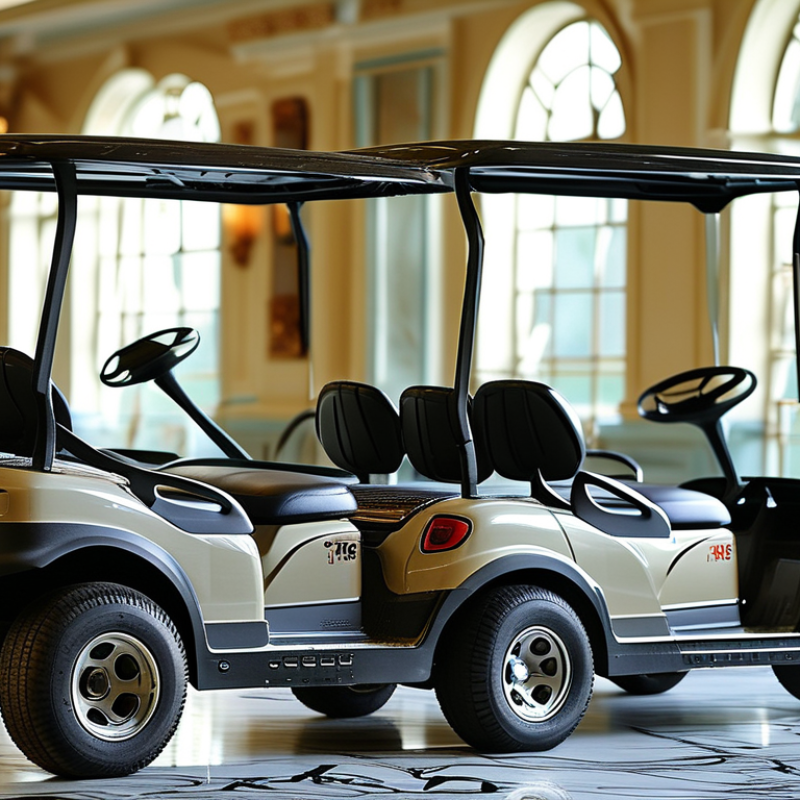
In China, golf cart batteries are essential for ensuring smooth operation on the course. Most batteries used in golf carts are lead-acid or lithium-ion types. Lead-acid batteries are common due to their lower cost. They typically last about 4 to 6 years with proper maintenance. However, factors like usage frequency and charging habits can affect their lifespan.
Lithium-ion batteries, while more expensive, offer several advantages. They last significantly longer, often reaching up to 10 years. They provide faster charging times and require less maintenance. Many golfers are now considering these newer options for their carts. Selecting the right type is crucial for performance and longevity.
Tips for maintaining your golf cart batteries: Always keep them charged. Avoid deep discharges as they can shorten battery life. Regularly check for corrosion on terminals. Clean as needed to ensure good connectivity. These simple steps significantly extend battery life and improve performance.
The lifespan of golf cart batteries is influenced by several key factors. Firstly, battery type plays a crucial role. Lead-acid batteries typically last 3 to 7 years, while lithium-ion batteries can reach up to 10 years. Research indicates that approximately 50% of battery lifespan is linked to the charging cycles. Regularly overcharging or undercharging can significantly diminish battery life.
Temperature impacts battery performance as well. Extreme heat or cold can cause an 80% reduction in lifespan. Operating in temperatures below 32°F can lead to faster deterioration of battery components. Additionally, maintenance strategies matter greatly. Properly cleaning terminals and ensuring connections are tight can extend battery life by as much as 20%.
Usage patterns are another critical factor. Heavy use, particularly in hilly terrains, can strain the battery. Up to 30% more energy is required for steep inclines, potentially reducing battery longevity. Monitoring battery health and usage habits can provide insights into performance and failure predictions. Awareness of these elements can guide users toward maximizing battery productivity and lifespan.
When choosing golf cart batteries, the brand can significantly impact performance. A range of options is available, with each brand offering unique features. Some batteries excel in energy capacity, while others might focus on longevity. It's essential to compare specifications carefully. The weight of the battery can also influence its efficiency.
One interesting aspect of these batteries is their lifespan. Generally, most golf cart batteries last between 4 to 6 years. However, this can vary greatly based on usage and maintenance. Overcharging and neglect can shorten their life. Regular checks and maintenance can enhance their durability.
Battery technology in China is evolving. Many brands now offer advanced features like faster charging and better energy efficiency. While some brands claim to have superior longevity, real-world usage often presents different results. Users frequently report mixed experiences. Genuine feedback from users helps illuminate which batteries truly deliver on their promises. Understanding these aspects contributes to making informed decisions.
Maintaining golf cart batteries is crucial for longevity. Proper care can significantly enhance their lifespan. Regularly checking the water levels in lead-acid batteries is essential. Low water levels can lead to sulfation, which harms performance. Aim to keep the plates covered with distilled water.
Charging practices also matter. Avoid letting the battery discharge completely. A full discharge can shorten the battery's life. Instead, recharge when the battery drops to 50% capacity. Temperature affects battery health too. Keeping batteries in a cool space helps. Extreme heat or cold can reduce capacity and damage components.
Regular cleaning of battery terminals is a must. Corrosion can disrupt connectivity and performance. Use a mix of baking soda and water to clean terminals carefully. Also, ensure that cables are tight and secure to prevent energy loss. Reflecting on these practices can lead to better outcomes. Missing any of these steps could result in reduced efficiency over time.
| Battery Type | Voltage | Amp-Hours (Ah) | Typical Lifespan (Years) | Maintenance Tips |
|---|---|---|---|---|
| Lead Acid | 6V | 200 Ah | 3-5 | Regular watering and clean terminals |
| Gel Cell | 6V | 220 Ah | 4-6 | Avoid deep discharging |
| AGM | 8V | 170 Ah | 6-8 | Regular charging and maintenance checks |
| Lithium | 48V | 100 Ah | 8-10 | Use compatible chargers, avoid extreme temperatures |
| Deep Cycle | 12V | 180 Ah | 4-6 | Check electrolyte levels regularly |
| Flooded Lead Acid | 12V | 150 Ah | 3-5 | Keep clean and check acid levels |
| Sealed Lead Acid | 12V | 160 Ah | 5-7 | Ensure proper ventilation |
| Nickel-Metal Hydride (NiMH) | 6V | 120 Ah | 5-8 | Keep fully charged and prevent over-discharging |
| Ultra Deep Cycle | 12V | 225 Ah | 6-10 | Regularly maintain and charge |
| Lead Carbon | 12V | 200 Ah | 5-7 | Avoid deep discharge and regular checks |
Golf cart batteries play a crucial role in the performance of your vehicle. Knowing when to replace them is essential for uninterrupted usage. One key sign is a noticeable decline in power. If your cart struggles on inclines or takes longer to charge, it’s time to take action. Dead zones while driving can also indicate battery issues. If you frequently face short trips despite a full charge, don’t ignore this!
Another sign involves unusual behavior during charging. If your battery leaks or has a foul smell, these are clear red flags. Difficulty holding a charge can signify aging batteries. Most lead-acid batteries last about 3-5 years, but this can vary. Environmental factors and maintenance play significant roles. Consider regular checks to prolong life, but don’t hold onto a failing battery out of nostalgia. Prioritizing performance ensures a smooth ride every time.
: Golf carts typically use lead-acid or lithium-ion batteries. Lead-acid is more common due to cost.
With proper maintenance, lead-acid batteries can last approximately 4 to 6 years.
Lithium-ion batteries can last up to 10 years and charge faster with less maintenance.
Keep it charged, avoid deep discharges, and check for corrosion regularly.
Declines in power and longer charging times indicate it's time to consider replacement.
A foul smell, leaks, or difficulty holding a charge are all red flags.
Regular checks are advisable to ensure optimal performance and prolong battery life.
Yes, environmental conditions and maintenance greatly influence battery longevity.
Holding onto an aging battery can affect performance; prioritize replacing it instead.
Ignoring issues may lead to further performance declines or unexpected failures.
This article provides a comprehensive overview of golf cart batteries commonly used in China, focusing on the critical question of "how long do golf cart batteries last." Factors influencing battery lifespan, such as usage frequency, charging habits, and environmental conditions, are discussed in detail. Additionally, the article compares various golf cart battery brands available in the Chinese market, highlighting their performance and durability.
To ensure longevity, the article also offers maintenance tips, emphasizing the importance of regular care and monitoring. Lastly, it outlines key signs that indicate when it's time to replace your golf cart battery, helping users make informed decisions and optimize their golf cart performance.

Kabar Golf