In the world of recreational vehicles, especially golf carts, battery technology plays a crucial role. One prevalent question is why is lithium battery technology important for golf carts? The answer lies in several key advantages. Lithium batteries offer longer lifespans compared to traditional lead-acid batteries. They can endure numerous charge cycles, making them a cost-effective choice over time.
Lithium batteries also provide faster charging times. This means golfers can spend more time on the course and less time waiting. Additionally, they weigh significantly less than lead-acid alternatives. This lightweight design contributes to improved cart performance and handling. However, these benefits come with a higher upfront cost, which can be a barrier for some buyers.
Understanding why is lithium battery technology important for golf carts goes beyond mere performance. It represents a shift towards sustainability in electric transportation. With the growing focus on eco-friendliness, lithium batteries align perfectly with modern environmental goals. The transition presents challenges, yet embracing this technology can lead to a better golfing experience.
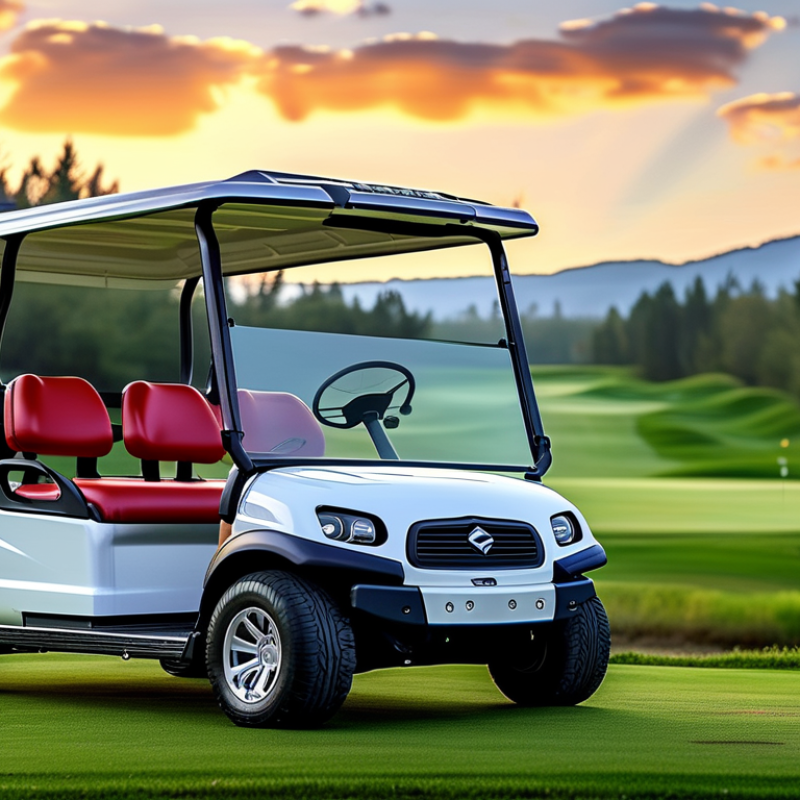
Lithium battery technology is transforming the golf cart industry. Its importance cannot be overstated. Recent reports indicate that lithium batteries can last up to four times longer than traditional lead-acid batteries. This efficiency translates to reduced replacement costs and less environmental impact.
In addition, lithium batteries charge faster and have a higher energy density. They can fully charge in just a few hours, while lead-acid batteries may take a full day. This quick turnaround time enhances the usability of golf carts, especially for busy courses. Also, lighter weight lithium batteries improve performance and increase the range of travel per charge.
However, challenges remain. Initial costs for lithium battery systems can be high, leading to hesitation from some buyers. Furthermore, the recycling process for lithium batteries is complex. Golf cart owners must be mindful of how they dispose of these batteries. Understanding the balance between cost and benefits is essential for informed decisions. Embracing lithium technology can streamline operations and improve overall efficiency on golf courses.
Lithium batteries are taking the world of golf carts by storm. Their growing popularity stems from key benefits that set them apart from traditional lead-acid batteries. One of the most significant advantages is their weight. Lithium batteries are much lighter, allowing for easier handling and improved overall efficiency. Golfers can enjoy increased range and speed due to the lighter load. This can enhance the overall golfing experience.
Another important factor is lifespan. Lithium batteries can last up to five times longer than lead-acid counterparts. This means less frequent replacements and lower long-term costs. Moreover, lithium batteries charge faster, often requiring only a few hours to reach full capacity. This can be particularly beneficial on busy days when quick turnaround is essential.
However, not everything is perfect. Initial costs for lithium batteries can be high. Some users may hesitate to make the switch due to this upfront expense. It's crucial to weigh the long-term savings against the initial investment. Understanding these factors helps users make informed decisions about their golf cart power systems.
The chart below illustrates the advantages of lithium batteries over traditional lead-acid batteries commonly used in golf carts. The data compares key performance metrics including weight, lifespan, charging time, and maintenance requirements.
Lithium batteries are transforming golf cart performance and range dramatically. Unlike traditional lead-acid batteries, lithium options are lighter and more efficient. Golf carts equipped with lithium batteries can travel longer distances on a single charge, often exceeding 40 miles. This extended range allows for more time on the course without the hassle of frequent recharges.
The rapid charging capability of lithium batteries is another game-changer. They can recharge much quicker than older battery types, often within a few hours. This feature is essential for busy golf courses where multiple players share carts. However, it’s important to note that the initial cost of lithium batteries can be higher, which may deter some golf cart owners. Yet, the long-term benefits, such as reduced maintenance and longevity, often outweigh these upfront expenses.
Performance is not just limited to distance. Lithium batteries provide consistent power output, enhancing acceleration and overall driving experience. Some users report a noticeable difference in hill-climbing ability and speed. While the technology is impressive, it is still evolving. As with any new technology, users must consider compatibility with existing cart systems. There is a learning curve in adapting to these advancements, but the potential benefits are significant.
Lithium battery technology is increasingly recognized for its positive impact on golf carts. One major advantage is its environmental benefits. Lithium batteries produce fewer toxic emissions compared to traditional lead-acid batteries. This shift helps reduce pollution in the scenic landscapes where golf courses thrive. Moreover, lithium batteries have a longer lifespan, decreasing the need for frequent replacements. This, too, lessens the environmental burden.
An important point to consider is disposal. Lithium batteries can still have environmental risks if not disposed of properly. Recycling programs can mitigate these risks, ensuring the materials are reused. Golf cart users should be aware of local recycling options to keep the ecosystem healthy.
**Tips:** Look for recycling programs that accept lithium batteries. Always check the labeling on batteries to understand their composition. Regular maintenance of your golf cart can extend the life of its battery as well.
| Reason | Description | Environmental Impact | Lifespan Comparison |
|---|---|---|---|
| Longer Life Span | Lithium batteries typically last 2-3 times longer than lead-acid batteries. | Less frequent replacements reduce waste. | 3-5 years vs. 5-15 years. |
| Lower Carbon Footprint | Charging lithium batteries produces less carbon emissions compared to lead-acid counterparts. | Contributes to global carbon reduction efforts. | N/A |
| Faster Charging Times | Lithium batteries can be charged more quickly than traditional batteries. | Efficient use of energy reduces overall consumption. | 1-2 hours vs. 6-8 hours. |
| Reduced Toxic Chemicals | Lithium batteries contain fewer hazardous materials compared to lead-acid batteries. | Decreases risk of soil and water pollution. | N/A |
| Lightweight Design | Lithium batteries are significantly lighter than lead-acid batteries, improving golf cart performance. | Enhances energy efficiency in use. | N/A |
Lithium battery technology is transforming golf carts in remarkable ways. As innovation continues, it’s essential to explore emerging trends. Improved energy density is a critical development. Modern lithium batteries provide longer usage times, allowing golfers to travel further on a single charge. This enhancement is vital for the sustainability of the sport.
Another trend is the decrease in charging times. Fast-charging technology is becoming more common, making it easier for users to quickly recharge between rounds. Golfers can enjoy their experience without worrying about battery life. However, this rapid innovation may also lead to concerns about safety. Proper usage and maintenance are crucial to prevent potential issues related to overheating or battery degradation.
Integration of smart technology stands out as a significant advancement. New lithium batteries come equipped with monitoring systems. These systems track voltage, temperature, and usage patterns. This feature provides reassurance but also raises questions about reliability and data privacy. As the technology evolves, ongoing education for users is vital to ensure safe and effective use.
: Lithium batteries are lighter, charge faster, and last longer than lead-acid batteries. This improves performance.
Lithium batteries can last up to five times longer than traditional lead-acid batteries, reducing replacement frequency.
Lithium batteries typically charge in a few hours, while lead-acid batteries may take a full day.
Yes, lithium batteries allow golf carts to travel over 40 miles on a single charge, enhancing usability on the course.
Initial costs can be high, which may deter some buyers. Users must weigh costs against long-term savings.
Yes, disposing of lithium batteries is not straightforward. Golf cart owners need to be mindful of proper disposal methods.
Yes, lithium batteries provide consistent power output, leading to improved acceleration and overall driving experience.
There's a learning curve for users as compatibility with existing cart systems may vary. Learning is essential for full benefits.
Buyers need to understand their long-term savings versus higher initial investments when making the switch.
The lighter weight of lithium batteries enhances speed and overall efficiency, improving the golfing experience significantly.
Lithium battery technology is crucial for golf carts due to its numerous advantages over traditional lead-acid batteries. These benefits include lighter weight, longer lifespan, faster charging times, and significantly increased performance and driving range. As golf carts are increasingly used for not only course transportation but also for recreational purposes, understanding why lithium battery technology is important for golf carts becomes essential.
Furthermore, the environmental benefits of switching to lithium batteries cannot be overlooked, as they contribute to reduced pollution and energy efficiency. Looking ahead, advancements in lithium battery technology promise to further enhance golf cart innovation, making them more efficient and eco-friendly for users. This transformative technology is paving the way for a sustainable future in golf cart usage and beyond.

Kabar Golf