When considering what makes a golf cart suitable for industrial use, several factors come into play. Durability is crucial; these carts must withstand heavy loads and rough terrains. A robust frame and quality materials ensure longevity. Efficiency also matters. Electric models can operate quietly, reducing noise pollution in sensitive environments.
Another essential aspect is customization. Industrial settings often have unique requirements, from storage capacity to speed variations. With tailored features, carts can meet specific operational needs. Comfort is equally significant. Ergonomic seating and easy handling improve operator satisfaction and productivity.
However, it is vital to reflect on these features critically. While some carts excel in certain areas, they may fall short in others. Balancing price with functionality can be challenging. Proper evaluation of the intended use will determine if a specific golf cart truly meets industrial demands.
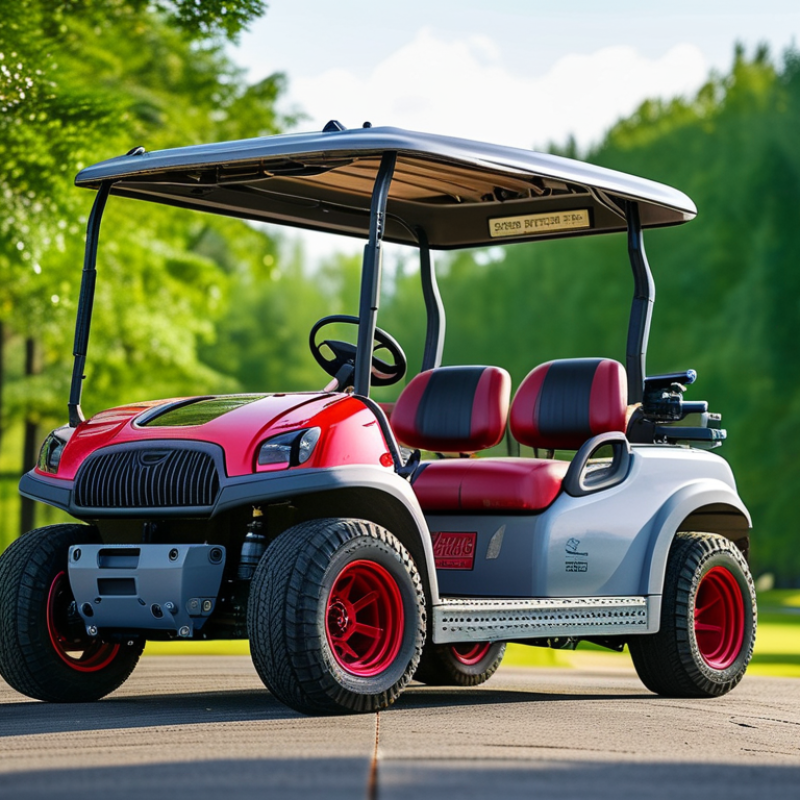
When considering golf carts for industrial use, specific features enhance their functionality. First, heavy-duty construction is essential. These carts must withstand rough environments and heavy loads. A durable frame ensures longevity in demanding settings. Reliable batteries are crucial too. They should offer long runtime to support extended operations without frequent recharging.
Maneuverability is another key aspect. Carts need tight turning radii to navigate narrow aisles and crowded spaces. Enhanced steering systems can make a significant difference in busy environments. Safety features are vital. Seat belts and low center of gravity reduce the risk of accidents. This is especially important in industrial settings.
Comfort should not be overlooked. Ergonomically designed seats can reduce fatigue during long shifts. Some carts offer additional storage compartments for tools, increasing their utility. However, it’s important to balance these features with cost. Investing in a quality cart may yield better returns in the long run. Observing the specific needs of your operations is important. This ensures the cart you choose aligns with productivity and safety standards.
When selecting a golf cart for industrial use, durability is key. Industrial environments can be tough. They often feature rough terrains, heavy loads, and unpredictable conditions. A well-built golf cart must withstand daily wear and tear. The materials used in construction play a crucial role. Steel frames are often favored. They resist corrosion and can handle tough impacts.
Another important factor is the quality of components. Tires should be robust with deep treads for stability. A reliable braking system is essential for safety. The cart must perform well under load. In some cases, users might find that cheaper models fail quicker than expected. Investing in a durable option can lead to long-term savings.
It's also essential to consider the maintenance of these vehicles. Regular checks can prevent breakdowns. However, even the best models can develop issues over time. Users may need to be prepared for repairs. It's a reality that should not be overlooked. The ideal golf cart blends strength with functionality, but it also requires ongoing commitment.
In diverse workplace settings, mobility and maneuverability are crucial for a golf cart’s industrial application. These vehicles must navigate tight spaces and heavy traffic efficiently. For instance, a report from the Industrial Truck Association indicates that 70% of workplace injuries occur from inadequate mobility. Thus, a cart designed for tight corridors can enhance safety and productivity.
The ideal golf cart is compact yet robust, typically measuring around 60 inches in width. This size allows it to fit through narrow doorways and aisles, often found in warehouses or factories. A well-structured turning radius of less than 10 feet provides optimal maneuverability. According to a study by the National Safety Council, carts with improved agility can cut operational delays by 30%.
Battery life is another key factor impacting efficiency. Industrial carts often require extended usage, averaging up to 8 hours of active use in shifts. Reports suggest that golf carts with high-capacity batteries can help reduce downtime. However, many users overlook regular maintenance, which can lead to faster battery depletion. This reflection on performance issues reminds operators to prioritize self-care to ensure reliability in their daily operations.
| Feature | Description | Benefits for Industrial Use |
|---|---|---|
| Compact Size | Golf carts are smaller than traditional vehicles, allowing them to navigate tight spaces. | Ideal for moving through crowded warehouses and narrow aisles. |
| Electric Operation | Many golf carts are powered by electricity, reducing emissions. | Safer for indoor environments and promotes sustainability initiatives. |
| Maneuverability | Designed for sharp turns and agile movement. | Facilitates easy navigation around obstacles and workers. |
| Load Capacity | Can be customized for varying loads, equipped with cargo boxes or accessories. | Enhances efficiency in transporting tools and materials across the workplace. |
| Safety Features | Often include seat belts, headlights, and rearview mirrors. | Increases the safety of operators and pedestrians in busy industrial settings. |
| Customizability | Available in various colors and configurations to fit specific needs. | Allows adaptation for specific industrial tasks or branding requirements. |
When considering golf carts for industrial use, safety is paramount. Industrial environments often present hazards that require specialized safety features. Stable braking systems prevent accidents in busy areas. Bright lights enhance visibility, especially in low-light conditions. Carts should include safety belts, providing added security for operators.
Load capacity is another critical factor. A golf cart's design should allow it to carry heavy items safely. Overloading can lead to instability and accidents. Operators must be trained to understand weight limits. Regular maintenance checks are vital to ensure all safety features function properly.
In addition, the terrain in industrial settings can be unpredictable. Carts with high traction tires perform better on rough surfaces. This capability reduces the risk of skidding or losing control. Operators should be vigilant about changing conditions. Failure to adapt can lead to injuries. Proper training emphasizes recognizing and responding to potential dangers.
In industrial settings, cost-effectiveness and efficient maintenance can significantly impact overall operations. Golf carts designed for industrial use often feature robust components that withstand rigorous environments. Investing in quality carts not only lowers the initial purchase price but also reduces long-term operational costs. According to a recent industry report, scheduled maintenance can boost a vehicle's lifespan by up to 30%. Regular check-ups prevent unexpected repairs that can strain budgets.
Maintenance strategies should focus on essential components. Battery care, tire pressure checks, and brake system inspections are vital. Data from the National Golf Cart Association indicates that neglected batteries can lead to 50% more replacement costs. A simple maintenance routine can extend the life of these components. Additionally, choosing carts with readily available parts can simplify repairs, further enhancing cost-effectiveness.
While the initial investment may seem high, the long-term savings are substantial. Businesses should evaluate costs carefully, considering the human factor in maintenance practices. Staff training on proper use and care is often overlooked. Improved handling can reduce wear and tear on carts, avoiding frequent repairs. Reflecting on these aspects ensures that industrial golf carts serve their purpose efficiently and economically.
: Durability is crucial as industrial environments can be tough, featuring rough terrains and heavy loads.
Steel frames are often preferred due to their corrosion resistance and ability to withstand impacts.
Regular maintenance checks are vital. They help prevent breakdowns and extend the lifespan of the vehicle.
Basic safety features include stable braking systems, bright lights for visibility, and safety belts for operators.
Overloading can cause instability, leading to accidents. Operators should be trained to understand weight limits.
Key practices include battery care, tire pressure checks, and regular brake system inspections.
Yes, investing in quality carts can reduce initial expenses and long-term operational costs significantly.
Proper training can reduce wear and tear, avoiding frequent repairs and improving overall handling.
Carts with high traction tires perform better on rough surfaces, reducing the risk of skidding.
Cheaper models may fail sooner than expected. Investing in durable options can lead to better long-term savings.
When considering what makes a golf cart suitable for industrial use, several key features come into play. Firstly, durability and build quality are essential, as industrial environments often expose vehicles to harsh conditions. Robust materials and construction ensure longevity and the ability to withstand wear and tear. Additionally, mobility and maneuverability are crucial, allowing carts to navigate through tight spaces and various workplace settings efficiently.
Safety considerations also play a significant role in the suitability of golf carts for industrial applications. Features such as reliable braking systems and stability can prevent accidents in busy environments. Furthermore, cost-effectiveness and ease of maintenance are vital for long-term use, ensuring that businesses can rely on their investment without incurring excessive operational costs. Overall, these elements combined define what makes a golf cart an ideal choice for industrial applications.

Kabar Golf