Transportation costs can be a significant burden for many businesses and communities. In recent years, the use of golf carts has gained traction as a viable solution to this pressing issue. Exploring how golf carts help reduce transportation costs reveals their potential impact on efficiency, maintenance, and overall expense management.
Golf carts are often overlooked for their practical benefits. They are cost-effective alternatives to traditional vehicles. Businesses can save on fuel and maintenance expenses by using them. The reduced operating costs of golf carts make them an attractive option for short-distance travel. Many organizations have adopted these vehicles, realizing significant savings in their transportation budgets.
Additionally, golf carts can ease congestion in crowded areas. They require less space, allowing for improved traffic flow. However, the expectation that golf carts can replace larger vehicles might be unrealistic in many situations. There are limitations to their use that must be considered. Companies should assess their specific needs carefully to ensure effective implementation. Balancing advantages and potential drawbacks will lead to better decision-making in the long run.
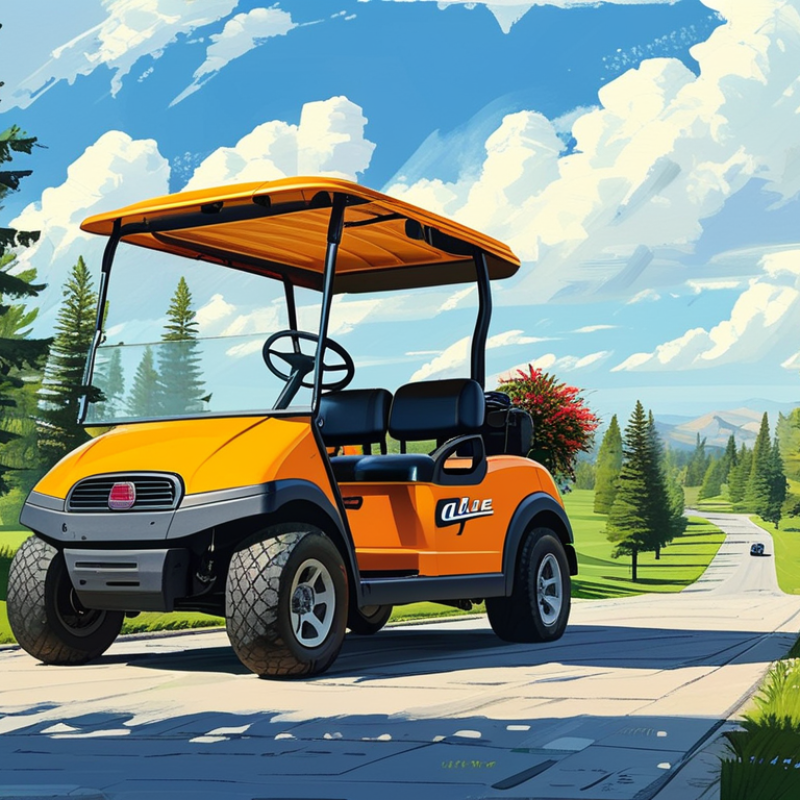
Using golf carts for short-distance transportation offers numerous advantages that can cut costs significantly. They are energy-efficient and require less maintenance compared to traditional vehicles. This can lead to lower fuel expenses and reduced repair bills over time. Many communities and golf courses have found that using these carts can ease traffic congestion while promoting eco-friendly travel.
Golf carts are particularly useful in urban settings or large campuses. Navigating narrow streets or winding pathways becomes easier with these compact vehicles. They are designed for short trips, which means less time spent waiting in traffic. The quick operation and accessibility of golf carts make them ideal for running errands or commuting short distances.
While the benefits are clear, there are challenges to address. Golf carts may not be suitable for all terrains or weather conditions. Safety concerns, like inadequate protection in busy areas, can make some users hesitant. Though many enjoy the simplicity and cost-effectiveness, potential users must weigh these aspects when considering golf carts as transportation options.
Golf carts present a compelling alternative to traditional vehicles, especially in specific environments. They are particularly effective in golf courses, resorts, and certain urban areas. Many people overlook their efficiency and affordability. Golf carts use less fuel, which can lead to significant savings. They also incur lower maintenance costs, making them budget-friendly.
Driving a golf cart often reduces insurance costs as well. The compact size of these vehicles allows for easier parking, saving time and frustration. They emit less pollution, promoting a greener lifestyle. However, it's worth noting that they might not be suitable for long-distance travel or high-speed road use.
When considering a golf cart, think about how often you will use it. Assess your local terrain and regulations. Not every community allows them on public streets, which may limit their usefulness. Embrace the practicality of a golf cart while being aware of these potential challenges. Exploring these aspects can lead to informed decisions about transportation needs.
Golf carts are becoming popular for both personal and business use. These small vehicles offer significant economic advantages. They are fuel-efficient and can drastically reduce transportation costs. The low energy consumption of golf carts makes them ideal for short trips. In contrast to traditional vehicles, they rarely require gasoline or diesel.
Maintenance costs for golf carts are also lower. They have fewer moving parts, which means fewer repairs. Many owners find that regular upkeep is simpler and more affordable. For example, changing batteries every few years is usually less costly than maintaining a combustion engine. This simplicity can save users a lot over time.
While there are benefits, potential drawbacks exist. Golf carts may not be suitable for longer journeys. They can also be limited in speed, which might frustrate some users. It's important to consider the intended use before investing. Assess the initial purchase cost, potential savings, and how it fits with your lifestyle. Overall, golf carts present a unique solution for economical transportation, but thoughtful reflection is necessary.
Golf carts are gaining traction as a sustainable transportation option. Their small size makes them ideal for short distances, reducing the reliance on cars. This shift lowers fuel consumption and carbon emissions, promoting environmental health. Many campuses and communities are integrating golf carts into their daily operations, demonstrating practicality and eco-friendliness.
Using golf carts can significantly alleviate traffic congestion. They require less space, which means fewer parking issues. People can enjoy easier access to local businesses and recreational areas. However, not every area is fully equipped for such vehicles. Infrastructure improvements may be necessary to promote wider adoption. Investing in charging stations or designated paths is vital for success.
If you’re considering making the switch, start small. Assess your local area to see how many trips could be completed with a golf cart. Analyzing distance and frequency helps gauge feasibility. Additionally, engage with your community. Gather opinions on shared golf carts. This can encourage collaborative efforts that enhance environmental sustainability. Remember, small changes can lead to significant impacts.
Communities across the U.S. are discovering the cost-saving potential of golf carts. In small towns like The Villages in Florida, residents rely on golf carts for daily errands. A 2021 study revealed that using golf carts can reduce transportation costs by up to 40% compared to standard vehicles. This statistic highlights the financial benefits of adopting alternative modes of transport.
One significant case study involves a golf cart-friendly development in Arizona. The community reported a 30% decrease in vehicle emissions. This change resulted from fewer traditional cars on the road. Local officials noted that the increased use of golf carts contributes to a more sustainable environment. Community members appreciate the quieter streets and safer pedestrian areas.
However, there are challenges. Not every area has the infrastructure needed for safe golf cart use. Some neighborhoods lack designated lanes, creating safety concerns. Additionally, not all residents may be keen on adopting golf carts. Continued education about the benefits is essential. Overall, successful implementation in some regions shows promise for future growth.
| Community/Area | Transportation Cost Savings (%) | Reduction in Carbon Footprint (tons/year) | Increased Accessibility (%) | Implementation Year |
|---|---|---|---|---|
| Community A | 30% | 15 | 25% | 2019 |
| Community B | 45% | 20 | 35% | 2020 |
| Community C | 25% | 10 | 15% | 2021 |
| Community D | 50% | 25 | 40% | 2022 |
: Golf carts are energy-efficient and require less maintenance. They can lower fuel costs and reduce repair bills.
They work well in urban areas and large campuses, where navigating narrow streets is easier.
Golf carts can ease traffic, promoting eco-friendly travel. They help reduce the number of traditional vehicles on roads.
In busy areas, golf carts offer limited protection. Users may feel hesitant due to potential safety risks.
Golf carts may not perform well in all terrains or weather conditions. Users should consider these limitations.
The Villages in Florida demonstrates how residents use golf carts for errands, reducing transport costs by 40%.
Some communities have seen a decrease in vehicle emissions. This results in a more sustainable environment and quieter streets.
Not everyone feels comfortable with golf carts. Educating residents about the benefits is crucial for wider acceptance.
Unfortunately, not all areas have the necessary infrastructure. Some neighborhoods lack dedicated lanes, raising safety concerns.
Continued education on benefits is key. Successful examples show promise and can inspire others to follow suit.
The article explores how golf carts help reduce transportation costs through various economic and environmental advantages. By focusing on short-distance transportation, golf carts offer a cost-effective alternative to traditional vehicles, significantly cutting down on fuel expenses and maintenance costs. Their fuel efficiency makes them an attractive option for communities looking to optimize transportation budgets.
Additionally, the environmental impact of using golf carts is noteworthy, as they contribute to reduced emissions and promote sustainable practices. The article also includes case studies of communities that have successfully implemented golf carts, showcasing practical examples of their benefits. Overall, it highlights how golf carts can serve as an efficient and sustainable mode of transport, ultimately leading to significant savings in transportation costs.
Kabar Golf