Buying a golf cart can be an exciting yet daunting task. With many options available, knowing what should you look for when buying a golf cart becomes crucial. The right cart enhances your golfing experience, whether it’s for cruising around the course or enjoying leisure time at home.
Consider factors like the type of terrain you'll navigate. Electric carts are generally quieter and better for flat surfaces. On the other hand, gas carts may excel in hilly areas. Assess the cart's range as well. Does it suit your golfing needs or daily activities? Battery life can impact your choices significantly.
Also, think about the features you value. Do you prefer a basic model or one with added comforts? Take note of storage options, seating capacity, and accessories. While aesthetics matter, functionality should be your main focus. It’s easy to get carried away by looks and forget about practical needs. A thoughtful approach ensures that your investment serves you well for years to come.
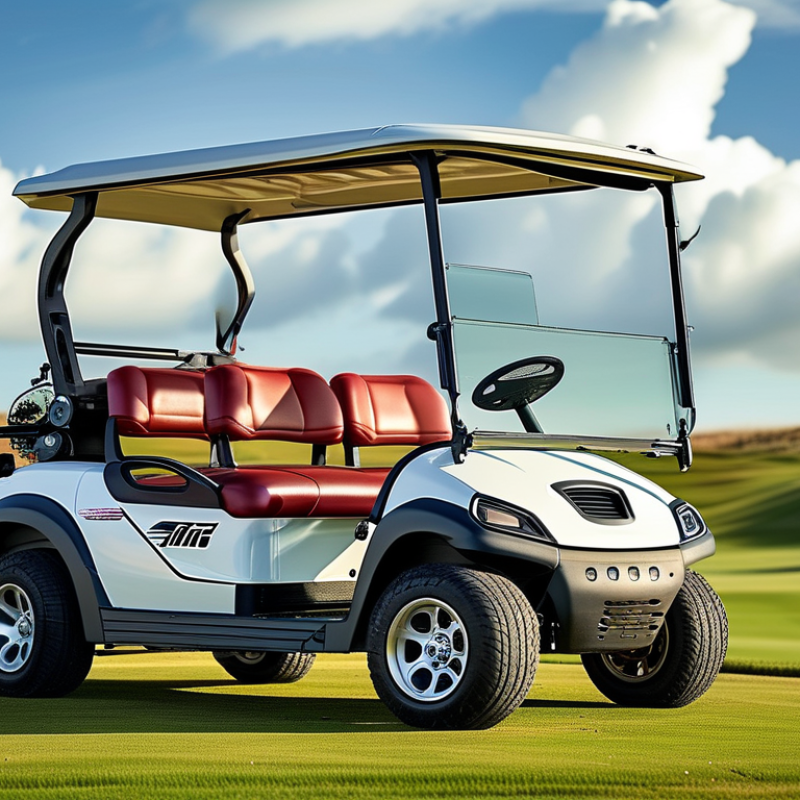
Choosing the right golf cart involves several key features that can significantly impact your experience. Battery life is crucial. A reliable electric cart should last at least 36 holes on a single charge. Look for lithium batteries for longer life and faster charging. Many carts also have features like regenerative braking, which extends battery life further.
Another significant aspect is storage space. Golfers need enough room for clubs, personal items, and drinks. Assess the design of the cart and its ability to carry your gear. A well-designed golf cart often includes storage compartments and cup holders, which enhance usability.
Speed and performance also deserve attention. Different carts offer varying speeds. Most electric models range from 12 to 20 mph. Test driving is important to feel the cart's responsiveness. Lastly, consider the build quality. Look for durable materials that withstand weather changes. Low-quality carts can lead to higher costs over time, so invest wisely.
When considering the purchase of a golf cart, one key decision lies in choosing between electric and gasoline models. Electric golf carts are known for their quiet operation and reduced environmental impact. They are perfect for short trips around the golf course or community. Their simpler mechanics require less maintenance and lower operating costs. However, charging stations can sometimes be a hassle.
On the other hand, gasoline golf carts have their own advantages. They offer more power and longer range, making them suitable for hilly terrains. These carts can handle heavier loads and are often preferred for rugged use. Yet, they come with higher operating costs and emit noise and emissions.
Choosing the right type depends on your specific needs and preferences. Each option has pros and cons worth considering. Sometimes, a personal test drive helps clarify your choice.
When evaluating the size and capacity of a golf cart, consider how you plan to use it. Golf carts typically come in two main sizes: two-seater and four-seater. A 2022 report from the National Golf Foundation indicates that 75% of golf cart users prefer rides that can accommodate at least two passengers. This preference highlights the importance of selecting a size that meets your comfort and social needs.
Weight capacity is another critical factor. Most golf carts can hold between 800 to 1200 pounds. If you're planning to carry heavy equipment or additional passengers, this capacity may limit your options. It's vital to remember that exceeding weight limits can damage the cart. According to a 2021 study by the Electric Cart Association, improper loading is one of the top causes of maintenance issues. While size may seem straightforward, consideration of all potential uses is crucial for long-term satisfaction.
Test driving different sizes before making a choice can provide valuable insights. Pay attention to legroom and load capacity during these trials. Many buyers overlook personal comfort, focusing solely on the cart's features. Ultimately, finding the right size and capacity often involves a few adjustments and trial-and-error. Don't underestimate the impact of a suitable fit on your overall golf experience.
When considering the purchase of a golf cart, evaluating price and budget is crucial. Begin by setting a clear budget. Determine how much you can afford to spend without straining your finances. Golf carts can vary widely in price, from a few thousand to over ten thousand dollars. Knowing your limits helps narrow down your options effectively.
Next, research the costs associated with ownership. Beyond the purchase price, consider maintenance, registration, and insurance. Some carts require more upkeep than others. It's also wise to factor in potential upgrades or modifications you might want. For instance, if you plan to customize your cart with flashy features, ensure it fits within your overall budget.
Lastly, reflect on the value that different models provide. A lower-priced option might come with compromises. Maybe it lacks battery life or essential safety features. Sometimes, spending a bit more leads to greater satisfaction down the line. Balancing cost and quality requires thought and careful consideration. Choose wisely, as this is an investment in your leisure experience.
When considering the purchase of a golf cart, maintenance and warranty options are crucial. Understanding these aspects can save you time and money in the long run. Regular maintenance ensures longevity. Check the recommended service schedule for the model you're interested in. Ignoring this can lead to costly repairs.
Warranties also play a significant role in your decision. Look for carts with comprehensive warranties. A robust warranty protects against unforeseen issues. Some warranties may cover parts and labor, but they vary widely. Read the fine print carefully.
For those new to golf carts, follow these tips. Research the battery type, as it influences performance. Examine the cart’s frame for signs of wear. Don't forget to assess the tires; they must provide adequate grip and durability. Paying attention to these details can enhance your buying experience significantly.
: Battery life is crucial for a golf cart. It should ideally last for at least 36 holes.
Look for lithium batteries. They provide longer life and faster charging options.
Regenerative braking extends battery life. It helps to conserve energy while driving.
A cart should have enough storage for clubs, personal items, and drinks.
Test drive different models to feel their speed and responsiveness. Most offer 12 to 20 mph.
Most golf carts can hold between 800 to 1200 pounds. Consider your needs carefully.
Test driving reveals comfort and legroom. You might discover some unexpected preferences.
Exceeding weight limits may damage the cart. This can lead to significant maintenance issues.
Durable materials that resist weather changes are best. Low-quality builds can increase costs over time.
A suitable fit enhances comfort and usability. Smaller adjustments can make a big difference.
When considering the purchase of a golf cart, understanding what should you look for when buying a golf cart is crucial to making an informed decision. Start by evaluating key features such as the type of golf cart—electric versus gasoline—each offering distinct benefits. Additionally, it’s important to assess the size and capacity of the cart to ensure it meets your needs, whether that’s for transporting passengers or hauling equipment.
Budgeting plays a vital role; thus, assess the price and your financial constraints before making a commitment. Lastly, don’t overlook maintenance and warranty options that can significantly impact your overall ownership experience. By taking these factors into account, you can choose a golf cart that fits both your lifestyle and budget effectively.

Kabar Golf