When considering the choice between electric and gas golf carts, it's crucial to understand the differences. According to a recent report by the National Golf Cart Association, electric carts make up about 65% of the market. Industry expert Dr. Emily Carter states, "What is the difference between electric and gas golf carts goes beyond just fuel type; it touches on cost, maintenance, and performance."
Electric carts often appeal to the environmentally conscious consumer. They produce no emissions, making them a greener choice. However, they require regular battery maintenance, which can add hidden costs. On the other hand, gas carts tend to offer greater power and range. They are often preferred for hilly terrains. Yet, they come with higher fuel costs and require more frequent maintenance.
Choosing the right cart isn't just about preferences. It's a balance of practicality, cost, and intended use. Reflecting on these factors can shed light on personal needs. Each option has unique advantages and drawbacks. In the end, your choice will reflect both your lifestyle and your values.
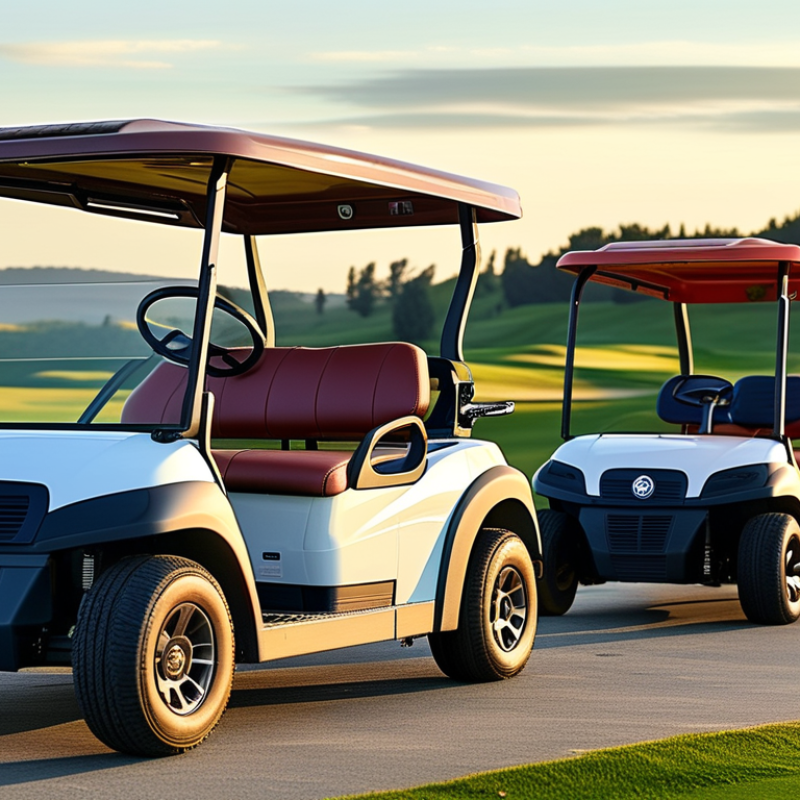
Overview of Electric Golf Carts: Features and Benefits
Electric golf carts are becoming increasingly popular due to their numerous features and benefits. These carts typically operate on rechargeable batteries, making them eco-friendly alternatives to gas-powered models. Data from the National Golf Foundation indicates that about 70% of golfers prefer electric carts for their quiet operation and lower emissions.
One significant advantage of electric golf carts is their lower maintenance costs. Electric models have fewer moving parts compared to gas carts, which leads to reduced wear and tear. According to a 2022 report by the Electric Drive Transportation Association, electric carts generally require about 40% less maintenance over their lifespan. Golfers also appreciate the simplicity of charging these carts overnight, allowing for a full day of use on the course.
Tips: When considering an electric golf cart, think about the
range. Ensure it meets your course needs.
Battery lifespan is crucial too, so check for warranties. Charging stations are essential if you’re playing multiple rounds.
Despite the benefits, potential buyers need to reflect on some challenges.
Range anxiety can be an issue, particularly on larger courses.
Battery disposal is another concern, as proper recycling methods are important. Balancing these factors helps in making an informed choice.
Overview of Gas Golf Carts: Features and Benefits
Gas golf carts are popular for various reasons. Their robust engines offer power and performance. They are great for hilly terrains and longer distances. According to the National Golf Foundation, over 50% of golf courses in the U.S. now favor gas carts for their reliability and efficiency.
One significant advantage of gas carts is their range. Most gas carts can run for 100 miles on a single tank. This outmatches electric carts, which typically need charging after 30 to 50 miles. Additionally, the refueling time for gas carts is a mere few minutes. Conversely, electric carts often require hours to recharge.
Cost is an important factor. Gas carts tend to have higher upfront costs, but lower maintenance expenses in the long run can't be overlooked. They are also beneficial in terms of resale value; research shows that gas models retain 10% more value than electric ones. However, buyers must consider fuel costs, emissions, and noise, which may detract from their appeal on quiet courses.
Difference Between Electric and Gas Golf Carts: Features and Benefits
| Feature |
Electric Golf Carts |
Gas Golf Carts |
| Power Source |
Battery |
Gasoline |
| Running Costs |
Lower (electricity) |
Higher (fuel) |
| Maintenance |
Less frequent |
More frequent |
| Range per Charge/Fuel |
30-50 miles |
100-150 miles |
| Noise Level |
Very quiet |
Louder |
| Performance |
Smooth acceleration |
Powerful, good for hilly terrain |
| Environmental Impact |
Lower emissions |
Higher emissions |
Key Differences in Performance Between Electric and Gas Models
When choosing between electric and gas golf carts, performance is a critical factor. Electric models offer quiet operation and instant torque. This allows for quicker acceleration on the course. In contrast, gas models tend to have higher top speeds. According to industry reports, gas carts can reach speeds over 20 mph, while electric carts usually max out around 15 mph.
Battery life is another area where electric carts shine, often providing 30 to 40 miles on a single charge. However, charging times can be lengthy, sometimes taking up to 8 hours. Gas carts, conversely, can be refueled in minutes. For heavy users or those covering large distances, gas may be preferable.
Tip: If you prioritize peace and environmentally friendly options, electric carts are ideal. On the other hand, if speed and quick refueling matter more to you, gas may be the way to go. Consider your typical routes and usage patterns carefully. Many buyers overlook these details, resulting in dissatisfaction later on. It's essential to weigh your personal needs against the strengths of each model.
Cost Comparison: Initial Purchase and Long-term Expenses
When considering electric and gas golf carts, understanding the cost is essential. Initially, electric carts often have a lower purchase price. However, this isn't the whole story. Over time, electric carts can incur higher expenses due to battery replacements. Batteries typically last 3-5 years, and replacements can be costly. Gas carts usually have less expensive upkeep but may have a higher initial price.
Long-term expenses also depend on energy costs. Electricity rates can vary by region, influencing overall expenses. Gas prices fluctuate, too. So, it’s wise to calculate potential long-term costs before deciding. Maintenance is another critical factor. Electric carts generally have fewer mechanical parts, which might save on service costs.
Tips to Consider: Assess your driving distance. If you plan to use the cart frequently, electric may save you money. Evaluate your local weather conditions. If you live in a colder area, battery performance may drop. Always check local regulations regarding emissions for gas carts. These factors can help make an informed choice. Remember, what works best for one might not suit another.
Environmental Impact: Electric vs. Gas Golf Carts
When it comes to environmental impact, electric and gas golf carts offer distinct differences. Electric carts produce zero tailpipe emissions, making them a cleaner option for golf courses and residential areas. According to the U.S. Environmental Protection Agency (EPA), electric vehicles can reduce greenhouse gas emissions significantly compared to their gas-powered counterparts. A recent study highlighted that electric golf carts can lower carbon footprints by up to 40%, depending on the energy source used for charging.
However, the production and disposal processes for electric carts pose certain challenges. Battery manufacturing involves mining resources like lithium, which can harm ecosystems. The recycling of these batteries is crucial, yet only about 5% of lithium-ion batteries are currently recycled effectively. A report from the International Energy Agency (IEA) noted that the environmental benefits of electric vehicles could be diminished if battery disposal is not managed properly.
Gas-powered golf carts, while less popular due to emissions, can be more practical in rural settings. They do not rely on charging infrastructure, giving them an edge in remote areas. Yet, the reliance on fossil fuels for gas carts contributes to air pollution and climate change, with emissions levels often exceeding those of electric alternatives. Transitioning to cleaner energy sources for golf carts is essential for making either option sustainable.
FAQS
: Electric golf carts run on rechargeable batteries. They are eco-friendly and operate quietly with lower emissions.
About 70% of golfers prefer electric carts for their quiet operation. Their lower maintenance costs also attract many users.
Electric carts generally require about 40% less maintenance than gas carts. This is due to fewer moving parts.
Consider the range and battery lifespan. Check for warranties. Also, ensure there are charging stations available.
Range anxiety can be an issue, especially on larger courses. Battery disposal is also a concern.
Gas golf carts provide robust power and performance. They are great for hilly terrains and longer distances.
Most gas carts can run for about 100 miles on a single tank. This is significantly more than electric carts.
Gas carts have higher upfront costs, but their lower maintenance expenses make them cost-effective over time.
Buyers must consider fuel costs, emissions, and noise. These may not suit everyone, especially on quiet courses.
Research shows that gas models retain 10% more value than electric carts. This is an important factor for many buyers.
Conclusion
When considering what is the difference between electric and gas golf carts, it's essential to examine their features, benefits, and overall performance. Electric golf carts are typically quieter and require less maintenance, making them an attractive option for environmentally conscious users. They offer efficient energy use and are perfect for short-range travel. Conversely, gas golf carts generally provide longer range and quicker refueling, which can be advantageous for larger courses or extended use.
In terms of cost, electric models often have a lower initial investment when one considers charging costs versus gas expenses over time. However, long-term maintenance and battery replacement for electric carts must be factored in. Additionally, the environmental impact plays a significant role in this decision, with electric carts being more eco-friendly compared to their gas counterparts. Ultimately, the choice between these two types hinges on individual needs, preferences, and usage scenarios.

 Kabar Golf