Choosing between electric and gas golf carts starts with how and where the cart will be used. A quiet electric model may suit short trips around a neighborhood, course, or property with convenient charging. A gas cart may be more practical for longer routes or frequent use without access to an outlet. Those are useful starting points, not guarantees.
If you are asking “what is the difference between electric and gas golf carts,” consider more than the power source. Compare typical driving distance, charging or refueling access, passenger and cargo needs, terrain, noise, and ongoing maintenance. Battery condition and replacement costs matter for electric carts; fuel, engine servicing, and exhaust are considerations for gas models. Actual range depends on the cart, battery or engine condition, load, hills, and driving habits. Check the manufacturer’s specifications and ask about service history before buying a used cart.
A comparison can look tidy on paper, yet daily routines often decide the issue. Picture parking beside an outlet overnight, or finishing a long day far from fuel and service. Which situation sounds familiar? Neither option wins for everyone. Even stated range figures deserve a second look, because real routes rarely match ideal test conditions. This guide will help you weigh comfort, operating costs, convenience, and maintenance against your own needs, so the choice is based on practical use rather than a single appealing feature.
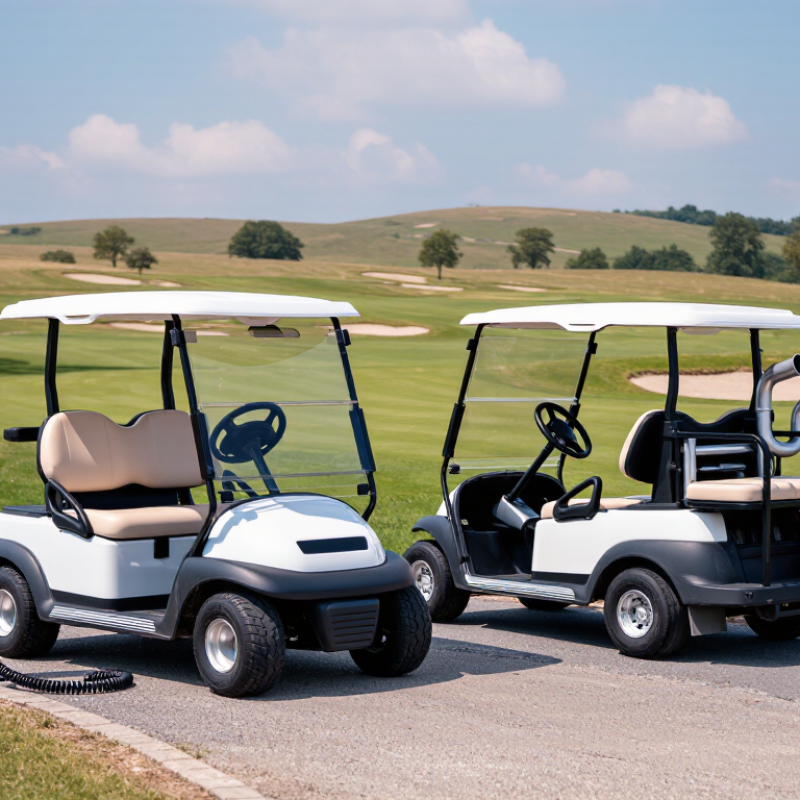
Electric and gas golf carts move differently because their power systems work differently. An electric cart draws energy from a battery pack, which sends power through a controller to an electric motor. Press the accelerator, and the controller adjusts the power delivered to the motor. Electric motors provide useful torque at low speeds, so the cart can move smoothly away from a stop. Charging usually takes several hours, and actual range depends on battery condition, hills, passenger load, and driving habits. A battery gauge is helpful, but it is not a perfect promise.
A gas cart burns fuel in an engine. The engine turns mechanical parts that drive the wheels, while a transmission helps manage movement and speed. You can refuel quickly, but the engine needs regular attention, such as oil checks and air-filter maintenance. Gas models are typically louder and produce exhaust; electric models are quieter, though charging access matters. Neither system is automatically the better choice. I still find range estimates easy to overtrust, especially on hilly routes.
Tips: Check the owner’s manual for charging, maintenance, and operating guidance. Compare your usual route with the cart’s realistic range, not just its advertised figure. Listen for unusual engine or motor sounds. Small changes can signal that service is due.
Electric carts draw power from batteries to run an electric motor; gas carts burn fuel in an engine that drives the wheels. The chart compares indicative time to recharge or refuel—not driving range or energy efficiency. Actual times vary by cart and charging or refueling setup.
Range and speed depend on the cart, battery or engine condition, load, and route. Electric carts are quiet and work well for short, predictable trips. Their range can drop with hills, frequent stops, or passengers and gear. Gas carts can be refueled quickly, which may suit longer days away from a charging point. Top speed varies by model, so compare the specifications rather than assuming one type is faster.
Power matters most when the ground gets rough. On a steep path, soft grass, or a gravel incline, check torque, tire tread, ground clearance, and carrying capacity. A gas cart may keep running without a charging pause, while an electric model can deliver smooth, quiet starts. Neither is automatically better on every hill. I would not judge terrain ability from a test on flat pavement alone; that is an easy mistake.
How to Choose Between Electric and Gas Golf Carts
Assess Purchase Price, Operating Costs, and Maintenance
Electric carts can cost more upfront, especially when battery capacity or onboard chargers are included. Gas models may have a lower sticker price, but compare the full package: seating, cargo space, tires, and warranty coverage. Ask for a written quote. Small add-ons can change the real price.
Then estimate how you will use the cart. An electric cart may cost less per mile when charged at home, but electricity rates and charging habits matter. That is not guaranteed. A gas cart needs fuel, and frequent short trips may increase consumption. Track your typical weekly distance, not an optimistic guess. That makes cost estimates more useful.
Maintenance differs, too. Electric carts avoid oil changes and spark plugs, yet batteries eventually need replacement, and poor charging habits can shorten their life. Gas carts need routine oil, filter, belt, and engine checks. Budget for service, not just parts. Ask what common repairs cost locally. It is easy to overlook downtime: a cart waiting for a battery or engine part cannot be used. Even a careful estimate can miss something, so leave room for surprises. Count charging access and nearby service availability alongside purchase and running costs.
| Cost or Ownership Factor | Electric Golf Cart | Gas Golf Cart | What to Consider |
|---|---|---|---|
| Typical new purchase price | About $8,000–$14,000 | About $9,000–$15,000 | Prices vary by seating capacity, features, battery type, and local taxes. Compare carts with similar specifications. |
| Energy or fuel cost per 100 miles | Approximately $1–$3, assuming roughly 5–8 kWh consumed and electricity at about $0.16 per kWh | Approximately $10–$16, assuming 25–35 miles per gallon and gasoline at about $3.50 per gallon | Actual costs depend on local utility and fuel prices, terrain, load, driving style, and vehicle condition. |
| Typical driving range | Often about 25–40 miles per charge | Often about 100–200 miles per tank | Range is highly dependent on battery capacity or tank size, terrain, passenger load, and operating conditions. |
| Routine maintenance | Generally fewer routine service items; check tires, brakes, wiring, and battery condition | Requires engine-related service such as oil, filters, spark plugs, and fuel-system checks, in addition to tires and brakes | Electric carts avoid engine oil and exhaust-system servicing, while gas carts have more engine components to maintain. |
| Illustrative annual routine-service budget | About $75–$200, excluding battery replacement | About $150–$400 | These are broad planning estimates, not guaranteed service prices; usage and local labor rates can change costs substantially. |
| Battery or powertrain replacement | Lead-acid battery replacement may cost roughly $1,000–$2,500; lithium packs can cost more | Engine repairs or replacement vary widely with the fault, parts, and labor | Battery chemistry, pack size, maintenance, and charging habits affect electric-cart battery life and replacement cost. |
| Charging or refueling | Needs access to a suitable charging outlet and time to recharge; overnight charging is common | Can be refueled quickly wherever compatible fuel is available | Consider whether you can charge where the cart is stored and whether longer daily trips make quick refueling valuable. |
| Best suited to | Short local trips, quieter operation, and owners with convenient charging | Longer or frequent trips, limited charging access, and users who value quick refueling | Choose based on expected mileage, access to charging, local energy prices, and your maintenance preferences. |
Estimate basis: Illustrative U.S. dollar ranges for a typical new, two-passenger golf cart. Prices and operating costs vary by location, configuration, use, and time; obtain current local quotes before purchasing.
Start with the places you will drive and park, not the power source alone. An electric cart suits short, repeated trips around a course, neighborhood, or property, especially when quiet operation matters. Its usable range can shrink with steep paths, extra passengers, cold weather, or an aging battery. A route that looks short on a map may still require frequent charging. Measure your parking space, too. A cart that barely clears the garage door can be awkward every day.
Charging access can decide the choice. Check whether an outlet is close enough, and leave room to plug in without stretching a cord across a walkway. Electric carts need time to recharge, so they work best when overnight parking is predictable. Gas carts may suit longer trips or places without convenient charging, but they need engine maintenance and safe ventilation. Never run one in an enclosed garage; exhaust can build up. Fuel and service supplies also need storage space. That matters. Before choosing, measure door width, turning room, and the space needed to walk around the parked cart. A small storage mismatch is easy to overlook, and inconvenient to fix.
Charging and fueling shape everyday convenience. An electric cart can recharge overnight in a ventilated, weather-appropriate charging area, but its range depends on battery condition, terrain, passenger weight, and temperature. A long, hilly route may leave less reserve than expected. Gas models can refuel quickly, though owners must store fuel safely and account for engine maintenance.
I’d avoid comparing costs without checking local rates and actual use. The U.S. Energy Information Administration reported an average residential electricity price of 16.48 cents per kilowatt-hour in 2024; your utility’s tariff may differ.
Noise matters on quiet streets and near homes. Electric carts usually avoid engine and exhaust noise, but tires, horns, and warning signals still make sound. Gas carts add engine noise, especially during acceleration.
EPA estimates that burning one gallon of gasoline releases 8,887 grams of carbon dioxide; this figure covers combustion, not the full fuel lifecycle. Local rules may set limits on where carts can travel, required lights or safety equipment, and permitted operating hours. Check city or county guidance, community rules, and course policies before choosing.
Small details matter. A quieter cart is not automatically street-permitted, and rules can vary between nearby areas.
A battery sends power through a controller to an electric motor. Pressing the accelerator adjusts that power. It moves smoothly from a stop.
Its engine burns fuel and turns mechanical parts that drive the wheels. A transmission helps manage movement and speed.
Electric carts may cost less per mile when charged at home. Electricity rates, fuel use, and driving habits change the estimate. I might still underestimate those differences.
Electric carts need battery care and eventual battery replacement. Gas carts need oil, filter, belt, and engine checks. Set aside money for repairs, too.
Consider battery condition, hills, passengers, temperature, and driving habits. Compare your usual route with realistic range, not just the gauge. Leave a little reserve.
Request a written quote. Compare seating, cargo space, tires, warranty coverage, and included equipment. Small add-ons can raise the real price.
Electric carts may charge overnight in a suitable, ventilated area. Gas carts refuel quickly but need safe fuel storage. Electric carts are usually quieter. Tires and warning signals still make noise.
Check city or county guidance, community rules, and course policies. Requirements may cover travel areas, lights, safety equipment, or operating hours. Nearby areas can differ.
Count local service availability, charging access, and possible downtime while waiting for parts. A careful estimate can still miss something. Keep room for surprises.
Choosing between an electric and a gas golf cart starts with understanding how each one works. Electric carts use rechargeable batteries and an electric motor, while gas carts rely on an engine and fuel. When considering what is the difference between electric and gas golf carts, compare more than their power sources: range, speed, hill-climbing ability, and performance on uneven terrain can all affect which cart suits your needs.
Also weigh the purchase price against ongoing expenses such as electricity or fuel, battery replacement, and routine maintenance. Think about how often and how far you’ll drive, whether you have convenient space for charging or fuel storage, and how easily each option fits your schedule. Electric carts tend to operate more quietly, while gas carts can be refueled quickly. Before choosing, consider noise expectations and any local rules for cart use. The right option depends on your routes, budget, storage setup, and preferred level of upkeep.

Kabar Golf