What Is a Golf Cart China Top Types for Global Buyers?

Time:2026-10-08 Author:Charlotte
0%

What is a golf cart in today’s global market? It is no longer only a small vehicle moving players between fairways. It may carry two to eight people, use lead-acid or lithium batteries, and operate on golf courses, resorts, campuses, factories, and residential communities. China has become a major sourcing base for these vehicles, offering electric carts, utility models, sightseeing shuttles, and street-ready low-speed vehicles. The differences matter. A quiet resort cart may need soft suspension and weather protection. A worksite model may require cargo space, stronger torque, and simple maintenance.

Grand View Research valued the global golf cart market at about USD 1.7 billion in 2023 and forecast continued growth through 2030. Allied Market Research also identifies tourism, hospitality, and sustainable mobility as important demand drivers. These reports support a practical conclusion: buyers should compare application, battery chemistry, charging systems, safety equipment, and after-sales service, not only the factory price. Prices can look attractive. Ownership costs may disagree.

Industry consultant John M. W. “Jack” D. McCoy once described the vehicle simply: “A golf car is a low-speed transportation solution, not merely a course accessory.” That distinction helps global buyers evaluate Chinese suppliers more carefully. Yet the wording is imperfect; “golf cart,” “golf car,” and “LSV” can describe different technical categories in different markets. Buyers should verify specifications, testing records, warranty terms, and local compliance before ordering. The best choice is rarely the most decorated cart. It is the one that survives the actual route, climate, load, and daily charging routine.
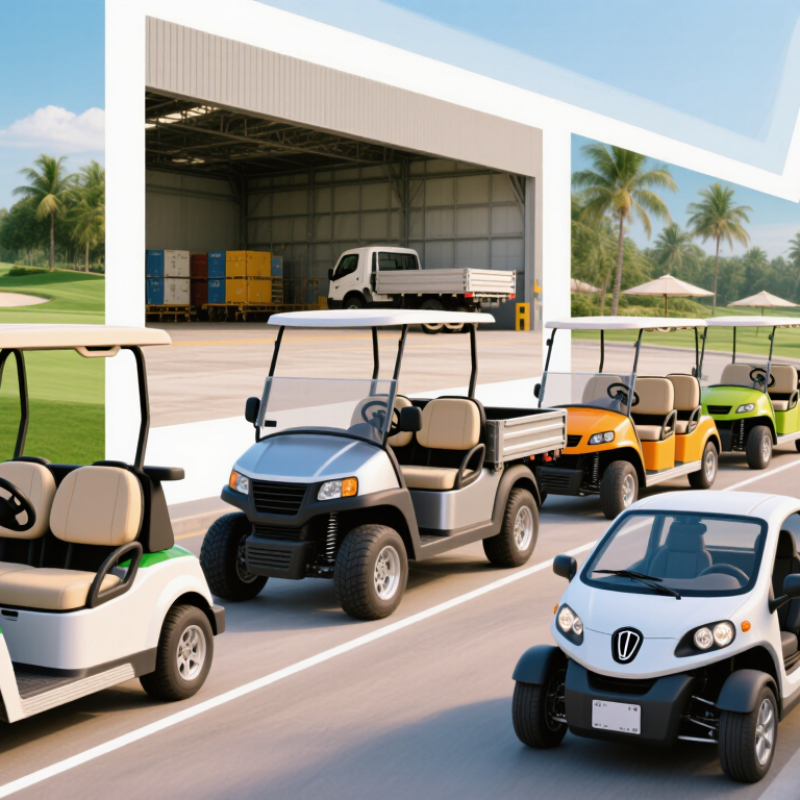
What Is a Golf Cart China Top Types for Global Buyers?

What Is a Golf Cart and How Is It Made in China?

A golf cart is a compact vehicle designed to carry people and light goods across golf courses, resorts, communities, and private facilities. Most models use electric power, although some use small combustion engines. Electric carts usually include a battery pack, motor, controller, charger, suspension, steering system, and tubular steel or aluminum frame. Seating can range from two to six passengers. Cargo versions may have a rear platform instead of extra seats.

In China, production commonly starts with frame cutting, welding, grinding, and corrosion protection. Workers then install the axle, suspension, brakes, motor, wiring, and battery system. Body panels may use molded plastic, aluminum, or coated steel. Each material affects weight, durability, and maintenance.

Assembly lines often use torque tools to tighten critical fasteners consistently. Technicians test braking distance, steering response, charger performance, lighting, and forward movement. Battery connections require careful inspection.

Details matter greatly.

A reliable supplier should provide drawings, electrical specifications, load ratings, and inspection records. Buyers should also check battery compatibility with local charging conditions. Factory samples can reveal uneven panel gaps, loose cables, or weak weld finishing. These defects are not always visible in online photos.

No production line is perfect. Even a careful inspection can miss a problem after long-term use. For that reason, buyers may request sample testing, spare-part information, and clear warranty terms before placing larger orders. Local terrain, weather, passenger weight, and operating frequency should influence the final configuration.

What Are the Main Types of Chinese Golf Carts?

When global buyers compare Chinese golf carts, the first question is not appearance. It is intended use. Two-seat carts suit resorts, private communities, and short guest transfers. Four-seat models offer a practical balance for families and small work teams. Six-seat versions carry more passengers, but their longer frames need wider turning space. I have found that buyers often underestimate this detail. A cart that looks compact online may feel bulky on narrow paths.

Chinese golf carts also differ by power system. Battery-electric models are quiet and practical near hotels, campuses, and warehouses. Lead-acid batteries usually cost less, while lithium batteries may reduce weight and charging time. Actual performance depends on battery capacity, terrain, load, and maintenance. Gas-powered carts can support longer duty cycles, but noise, ventilation, and fuel planning require attention. Utility carts add rear beds, cargo boxes, or towing equipment. They are built for materials, not passengers alone. Some listings blur these categories, which can confuse first-time buyers.

Tips: Request a complete specification sheet before ordering. Check seating, payload, motor rating, battery chemistry, charger voltage, braking design, and spare-part support. Ask for measured range under a stated load, not an attractive estimate. Confirm dimensions against your gates and storage area. Also verify local requirements for roads, lighting, speed, insurance, and registration. Supplier documents are useful, but independent inspection remains wiser. I would leave room for uncertainty; real conditions rarely match showroom claims.

Which Golf Cart Features Matter to Global Buyers?

Global golf cart buyers usually compare more than price and appearance. They study range, safety, comfort, and service support. For campus transport, quiet electric motors and tight turning circles matter. Utility buyers may prefer stronger frames, larger tires, and useful cargo space. Sightseeing operators often need weather protection, easy entry, and clear passenger visibility.

Battery choice deserves careful attention. Lithium batteries usually reduce weight and charging time. Lead-acid batteries can cost less, but they need more maintenance. Ask for tested range under realistic loads, not an empty-cart estimate. Check braking performance, lighting, seat belts, mirrors, and emergency controls. A stylish dashboard cannot replace dependable stopping power.

Tips: Request battery test records, charger details, spare-part lists, and warranty terms. Confirm the cart’s dimensions before shipping. A few centimeters can disrupt container loading or storage. Ask whether technicians can understand the service manuals. This sounds minor. It is not.

Global buyers should also check climate suitability. Coastal regions can expose carts to salt, while colder areas reduce battery performance. Waterproof connectors and corrosion-resistant coatings may protect long-term value. However, these claims need evidence, not attractive wording. Ask for inspection photos, load ratings, and production quality records. Local driving rules also vary, so lighting and road equipment must match the destination. I have seen buyers focus on speed and regret ignoring suspension comfort on rough paths. That decision is easy to underestimate.

What Is a Golf Cart? Top Types and Features That Matter to Global Buyers

A practical comparison of common golf cart categories and the specifications most often evaluated in international purchasing.

Two-seat carts are optimized for golf courses and compact mobility, while four- and six-seat models are commonly used for resorts, campuses, communities, and passenger transport. Utility carts prioritize cargo capacity, ground clearance, and durability. Across these categories, buyers typically compare passenger capacity, driving range, charging time, safety equipment, weather protection, and after-sales support before selecting a configuration.

How to Choose the Right China Golf Cart for Your Market?

Choosing the right China golf cart starts with your market, not the factory quotation. Define the terrain, passenger capacity, daily distance, and expected weather conditions. A flat resort may need a compact electric cart, while a large property may require stronger suspension and longer range. Ask for battery data under real load, not only ideal laboratory figures. Small details matter.

Check the cart’s frame, braking system, lighting, tires, controller, and charging equipment. Request test reports, wiring diagrams, spare-parts lists, and clear warranty terms. Your local regulations may require specific lights, speed limits, safety equipment, or registration documents. Confirm these requirements before placing an order. Compliance problems are expensive to correct after shipping.

Evaluate the supplier beyond online photographs. Review production records, quality-control procedures, export experience, and response times. Order a sample when possible, then test it on your actual roads, slopes, and operating schedule. A low price can hide weak batteries or difficult maintenance. No checklist is perfect. I have seen buyers focus heavily on appearance and overlook service training. That mistake can damage customer trust. Choose a supplier that explains limitations honestly and can provide practical technical support, replacement parts, and consistent production quality.

What Should Buyers Check Before Importing Golf Carts from China?

Before importing golf carts from China, buyers should check the vehicle’s real specification, not only the product sheet. Allied Market Research valued the global golf cart market at about US$1.6 billion in 2022 and forecasts strong growth through 2032. That growth attracts capable factories and rushed suppliers. Ask for the motor rating, controller model, battery chemistry, charging time, payload, gradient performance, and tested driving range. Range claims can change sharply with hills, passengers, temperature, and tire pressure. Ask for test conditions in writing.

Battery documentation deserves careful attention. For lithium models, request the UN 38.3 test summary, cell information, battery-management details, and charger protection data. For lead-acid carts, inspect watering access, ventilation, corrosion protection, and replacement costs. Request recent inspection reports, production photos, sample invoices, and serial-number records. An audit should confirm welding quality, brake adjustment, steering play, insulation, and waterproofing. A clean showroom proves little.

Check whether the charger matches your destination voltage and plug system. Verify that spare parts, wiring diagrams, and service instructions are available in clear English. Confirm packaging dimensions and shipping weight before calculating landed cost. Import duties, port fees, and battery handling charges can alter the price considerably. Use a pre-shipment inspection with measured results, not verbal assurances. I would also test one sample for several weeks. That step feels slow. It is cheaper than discovering weak brakes after arrival. Some buyers, including me, still overvalue appearance. Glossy paint can hide poor connectors. Supplier history, traceable records, and repeatable testing matter more.

FAQS

What is a golf cart used for?

A golf cart carries people or light goods over short distances. Common locations include resorts, communities, campuses, warehouses, and private facilities. Some models include rear cargo platforms. The vehicle is compact, but turning space still matters.

How are golf carts commonly made in China?

Production usually begins with cutting and welding the frame. Workers grind the welds and apply corrosion protection. They install axles, suspension, brakes, motors, wiring, and batteries. Technicians test steering, braking, lights, charging, and forward movement. Battery connections need careful inspection.

Which golf cart size should buyers choose?

Two-seat carts suit short guest transfers and private communities. Four-seat models work well for families or small teams. Six-seat carts carry more passengers, but need wider paths. A longer frame can feel surprisingly bulky. Measure gates and storage spaces carefully.

What power systems are available?

Electric carts are quiet and practical near buildings. Lead-acid batteries usually cost less and need more maintenance. Lithium batteries may reduce weight and charging time. Gas-powered carts can support longer duty cycles. They require fuel planning, ventilation, and noise control.

What should buyers check about battery performance?

Request measured range under a stated passenger or cargo load. Empty-cart estimates can look impressive but mislead. Check battery capacity, chemistry, charger voltage, and charging compatibility. Cold weather may reduce performance. Actual range depends on terrain, weight, and maintenance.

Which safety and comfort features matter?

Check braking distance, steering response, seat belts, mirrors, and lighting. Strong suspension improves comfort on rough paths. Weather protection helps during rain and strong sunlight. Clear passenger visibility supports safer operation. A stylish dashboard cannot replace reliable stopping power.

How can buyers inspect manufacturing quality?

Request drawings, electrical specifications, load ratings, and inspection records. Examine sample carts for uneven panel gaps and loose cables. Look closely at weld finishing and battery connections. Online photos may hide defects. Independent inspection is wiser when possible.

What support should a supplier provide after purchase?

Ask for spare-part lists, service manuals, and clear warranty terms. Confirm whether local technicians can understand the manuals. Check replacement batteries and charger compatibility. No production line is perfect. Even careful inspection may miss long-term problems, so keep some uncertainty in your planning.

Conclusion

What is a golf cart? It is a compact electric or fuel-powered vehicle designed mainly for transporting people and light cargo over short distances. In China, golf carts are produced through processes that typically include frame fabrication, body assembly, motor and battery installation, braking and steering integration, and final quality testing. Chinese suppliers commonly offer electric golf carts, utility carts, passenger models, sightseeing vehicles, and customized versions for resorts, communities, campuses, warehouses, and industrial sites.

For global buyers, important features include battery capacity, driving range, charging time, seating layout, payload, safety equipment, weather protection, maintenance access, and compatibility with local roads and operating conditions. Choosing the right model requires evaluating terrain, climate, usage frequency, passenger needs, and available service support in the target market. Before importing, buyers should carefully check product specifications, test reports, user manuals, spare-parts availability, packaging, warranty terms, inspection procedures, shipping requirements, and compliance with applicable local regulations.

Charlotte

Charlotte

Charlotte is a seasoned marketing professional with a deep understanding of the company's portfolio and a passion for elevating its presence in the market. With a keen eye for detail and a commitment to excellence, she ensures that our professional blog is regularly updated with insightful articles......