Choosing a golf cart in 2026 means balancing comfort, capability, and long-term cost. The right model depends on where you drive, how often you use it, and who rides with you. A quiet electric cart may suit a neighborhood course, while a gas model may better fit longer routes or frequent heavy use. Neither option is best for everyone.
Look closely at practical details. Check passenger capacity, cargo space, braking, suspension, tire type, and available safety features. Picture a real trip: two riders, a golf bag, a cooler, and a steep path can quickly test a cart’s limits. Battery range also deserves careful attention. Published estimates may change with hills, temperature, load, and driving style. Numbers alone can mislead.
This guide explains how to choose the right golf cart by comparing power systems, intended uses, key features, and ownership costs. It also considers new and used models, maintenance needs, warranties, and questions to ask during a test drive. A polished brochure cannot show how a seat feels after an hour or how smoothly a cart handles a rough turn. Small details matter. There is no perfect cart, and even a sensible choice may involve compromise. Use the guidance ahead to identify your priorities, verify specifications with manufacturers or dealers, and choose a cart that fits your actual routine—not just an appealing list of features.
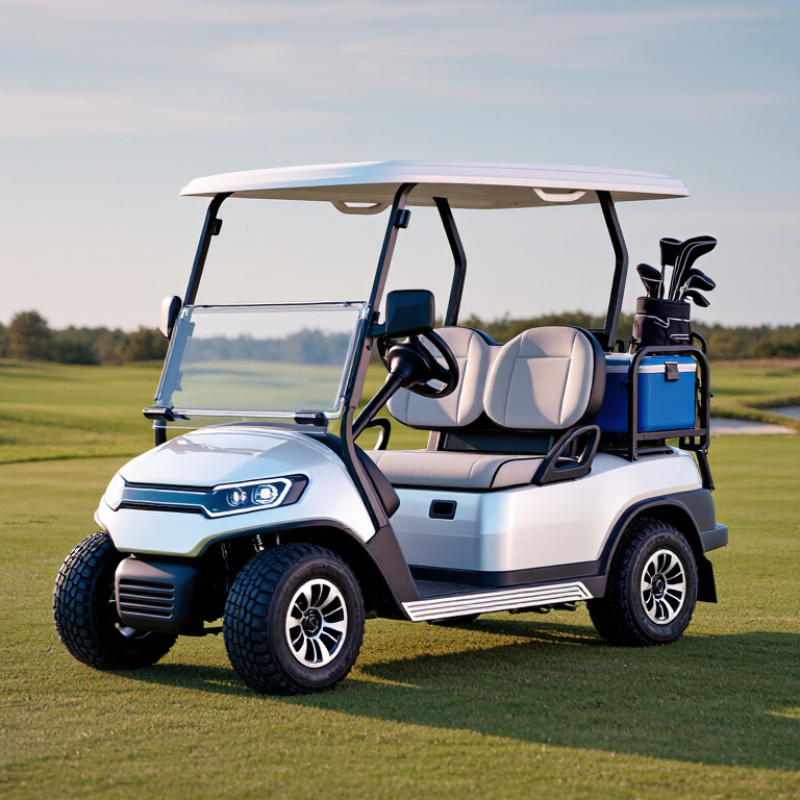
Identify How and Where You Will Use Your Golf Cart
Identify How and Where You Will Use Your Golf Cart
Before comparing features, picture a typical day with the cart. Will it carry two people across smooth paths, or move tools and supplies around a larger property? Write down the usual passengers, cargo, distance, and stops. Small details matter. A cooler, golf bags, or a steep driveway can change what feels practical. Check the cart’s stated passenger and load limits, rather than judging capacity by seat space alone.
Think about the ground and storage, too. Grass, gravel, slopes, and wet paths place different demands on tires, clearance, and braking. Measure narrow gates and garage space; a cart that cannot turn or park comfortably becomes a daily nuisance. Consider where charging is available and how often the cart will be used between charges. Short trips near a home may need less range than repeated runs across a large site. I would not choose from range claims alone, since terrain, load, and driving habits can affect results. Be honest about your routine, even if it is still changing. That estimate may be imperfect. Revisit it after a week of observing where the cart would actually go.
Compare Electric and Gas-Powered Golf Cart Options
2026 Best Golf Cart: How to Choose the Right One?
Choosing between an electric and gas-powered golf cart starts with how and where you plan to drive. Electric carts suit quiet neighborhood trips, golf courses, and short daily routes. They produce no exhaust while driving and usually need less routine engine maintenance. However, charging takes time, and usable range can drop with steep hills, cold weather, extra passengers, or heavy cargo. Check the maker’s range estimate against your actual route; it may be optimistic.
Gas-powered carts can work well for longer outings or places without convenient charging. Refueling is quick, and some models handle extended use without a planned charging stop. The trade-offs include engine noise, exhaust, and regular checks of oil and other engine components. I would not choose by purchase price alone. A cart that seems affordable can become inconvenient if its power source does not fit your storage, route, or schedule.
Tips: Write down your usual trip length, steepest hill, passenger count, and access to an outlet. Ask to test-drive both types on similar ground. Notice how each starts, turns, and feels over bumps. If you are unsure, track your real use for a week first; estimates are easy to get wrong.
2026 Best Golf Cart: How to Choose the Right One?
Electric vs. gas-powered golf carts: estimated energy cost per 100 miles
This illustrative comparison assumes electricity at $0.16 per kWh and electric-cart consumption of 12 kWh per 100 miles, versus gasoline at $3.50 per gallon and gas-cart fuel economy of 25 miles per gallon. That works out to about $1.92 for electric and $14.00 for gas per 100 miles. Actual costs vary with local energy prices, cart model, terrain, and driving conditions; maintenance and battery replacement are not included.
Choose the Right Seating Capacity, Range, and Cargo Space
A golf cart should fit the trips you actually make, not an imagined perfect day. Count your regular riders, then allow for occasional passengers if the cart supports that setup. Four seats may sound generous, but rear-facing seats can reduce cargo room and change how a loaded cart handles. Try every seat. Check legroom, step-in height, and whether passengers can ride comfortably with bags aboard.
Range needs a practical buffer. A stated range is an estimate, and hills, frequent stops, heavier loads, and temperature can reduce distance per charge. Map your usual route, including the trip back, and choose a cart with enough reserve for detours. If you plan to carry several people or climb slopes, ask how those conditions affect the range. Do not rely on a best-case figure alone.
Cargo space matters more than it first appears. Measure bulky items such as golf bags, groceries, or garden supplies, and compare those measurements with the usable cargo area. A larger rear seat may solve passenger needs but leave little room for equipment. It is an easy trade-off to miss. Before choosing, sit in the cart with typical bags loaded and consider how often you will need both passenger seats and cargo space at once.
2026 Best Golf Cart: How to Choose the Right One? — Choose the Right Seating Capacity, Range, and Cargo Space
The ranges below are general planning estimates for fully charged electric carts, not guaranteed specifications. Actual range depends on battery type and condition, terrain, temperature, passenger and cargo weight, speed, and accessories. Always check the cart’s rated payload and cargo-bed limits before loading it.
| Cart configuration |
Typical seating |
Approximate electric range |
Cargo space and load considerations |
Best suited for |
| Compact two-passenger |
2 people |
About 15–30 miles per charge |
Usually has a small storage basket or rear storage area. Best for golf bags and light personal items; check the rated limit before carrying heavier loads. |
Golfers, couples, and short neighborhood trips where compact size and maneuverability matter. |
| Four-passenger, rear-facing seats |
4 people |
About 15–30 miles per charge |
Rear seats may fold into a small cargo platform on some configurations. With all seats occupied, little space may remain for bulky cargo. |
Families or groups that need occasional extra seating and mostly travel on relatively short routes. |
| Four-passenger, forward-facing seats |
4 people |
About 15–30 miles per charge |
Often provides a more passenger-focused layout. Storage may be limited, so check for a separate basket or compatible cargo accessory. |
Regular passenger transport on private property, campuses, or communities with suitable low-speed routes. |
| Six-passenger |
6 people |
About 10–25 miles per charge |
Longer chassis and additional seating can leave less room for luggage. More occupants increase vehicle load and can reduce real-world range. |
Moving larger groups over short distances when passenger capacity is more important than cargo space or maximum range. |
| Utility / cargo-bed cart |
Typically 2 people |
About 15–30 miles per charge |
Designed with a dedicated cargo bed or flatbed. Bed size and allowable load vary considerably; follow both the bed rating and the vehicle’s total payload limit. |
Property maintenance, light hauling, and work sites where tools or supplies need a dedicated cargo area. |
Assess Safety Features, Comfort, and 2026 Technology
2026 Best Golf Cart: How to Choose the Right One?
Assess Safety Features, Comfort, and 2026 Technology
Safety deserves more than a quick checklist. A U.S. Consumer Product Safety Commission analysis of 2007–2017 emergency-department records estimated about 156,000 golf-cart-related injuries. Check for effective brakes, bright lights, mirrors, stable handling, and seat restraints suited to your routes. Ask how the cart behaves on slopes and wet paths. Small details matter. A test drive with passengers can reveal awkward entry, poor visibility, or uncomfortable seating that a brochure misses.
Tips: Take a slow test drive over the surfaces you use most. Compare turning, braking, seat support, and storage with your usual load. Request written battery range and charging-time figures, then ask how temperature and hills affect them.
For 2026 technology, look beyond a large screen. Check whether the battery-management system shows charge health, warnings, and useful diagnostics. Regenerative braking, clear displays, and dependable lighting can improve everyday use, but features vary by model. Confirm that connectivity works where you drive and ask what happens if the signal drops. Compare real operating figures, not just advertised range. One thing is easy to overlook: more technology can mean more settings to maintain. A simpler cart may suit your routine better.
Compare Ownership Costs, Warranty, and Dealer Support
A golf cart’s purchase price is only the starting point. Compare the estimated cost of charging, routine maintenance, tires, batteries, and storage over several years. Ask the dealer for a written service estimate, not just a quick verbal figure. A cart used daily on rough paths may need attention sooner than one driven occasionally on smooth pavement. Small details add up.
Warranty coverage deserves a close read. Check how long key components are covered, what exclusions apply, and who pays for transport or labor. Ask what happens if a replacement part is delayed. Dealer support matters just as much: confirm service hours, typical repair wait times, and whether technicians can visit your property. A nearby showroom is useful, but it does not guarantee fast repairs. It’s easy to overlook that. One imperfect step is relying on a salesperson’s summary instead of reading the actual warranty terms.
Tips: Request itemized ownership estimates from at least two local dealers. Ask current owners about repair turnaround, and note the date and details of each answer. Recheck your numbers after comparing battery options and annual usage; your first estimate may be too optimistic.
Conclusion
Choosing the right golf cart in 2026 starts with considering how and where you plan to use it. A cart for short trips around a golf course may have different requirements from one used in a residential community, on larger properties, or for carrying equipment. Compare electric and gas-powered options by considering your typical travel distance, access to charging or fuel, maintenance needs, and preferred driving experience.
Next, match the seating capacity, range, and cargo space to your everyday needs. Assess safety features, comfort, and useful technology, then compare the total cost of ownership, warranty coverage, and local dealer support. Looking at these factors together makes it easier to decide how to choose the right golf cart for your routine, budget, and intended use, rather than focusing on a single feature.

 Kabar Golf